High Blood Pressure: Symptoms, Risk Factors and Prevention
High blood pressure, also known as hypertension, is a common health condition that can increase your risk of heart disease, stroke and kidney damage. The challenge is that many people have high blood pressure without experiencing noticeable symptoms. Regular blood pressure checks, healthy lifestyle choices and timely medical care can help you identify and manage the condition before serious complications develop.
According to the World Health Organization (WHO), an estimated 1.4 billion adults aged 30–79 worldwide were living with hypertension in 2024. Many remain unaware that they have it, making early detection and prevention essential. WHO
In this guide, we explain the symptoms of high blood pressure, common risk factors, possible complications and practical ways to prevent or manage hypertension.
What Is High Blood Pressure?
High blood pressure, medically called hypertension, occurs when the force of blood pushing against the walls of your arteries remains consistently elevated.
Your blood pressure is measured using two numbers:
- Systolic pressure: The upper number, which measures the pressure in your arteries when your heart beats.
- Diastolic pressure: The lower number, which measures the pressure when your heart rests between beats.
For example, a reading of 120/80 mmHg means your systolic pressure is 120 and your diastolic pressure is 80.
Blood pressure thresholds vary slightly across clinical guidelines. The WHO defines hypertension in adults as blood pressure of 140/90 mmHg or higher, confirmed through measurements on separate days. Some guidelines, including US guidelines, classify high blood pressure from 130/80 mmHg.
Your doctor will interpret your readings according to the applicable guidelines, your medical history and other risk factors.
What Are the Symptoms of High Blood Pressure?
One of the most concerning facts about hypertension is that high blood pressure usually has no obvious symptoms. You can feel completely healthy while your blood pressure remains elevated.
This is why hypertension is often described as a silent condition. You should not wait until you experience symptoms before checking your blood pressure.
Commonly Reported Symptoms
Although most people with high blood pressure do not notice symptoms, severely elevated blood pressure may be associated with:
- Severe or persistent headaches
- Blurred vision or other changes in vision
- Chest pain
- Shortness of breath
- Dizziness
- Nausea or vomiting
- Confusion in severe cases
These symptoms do not automatically mean you have hypertension. They may be caused by other medical conditions and require appropriate assessment.
Can You Have High Blood Pressure Without Symptoms?
Yes. Many people with hypertension have no warning signs, even when their blood pressure has been elevated for a long time.
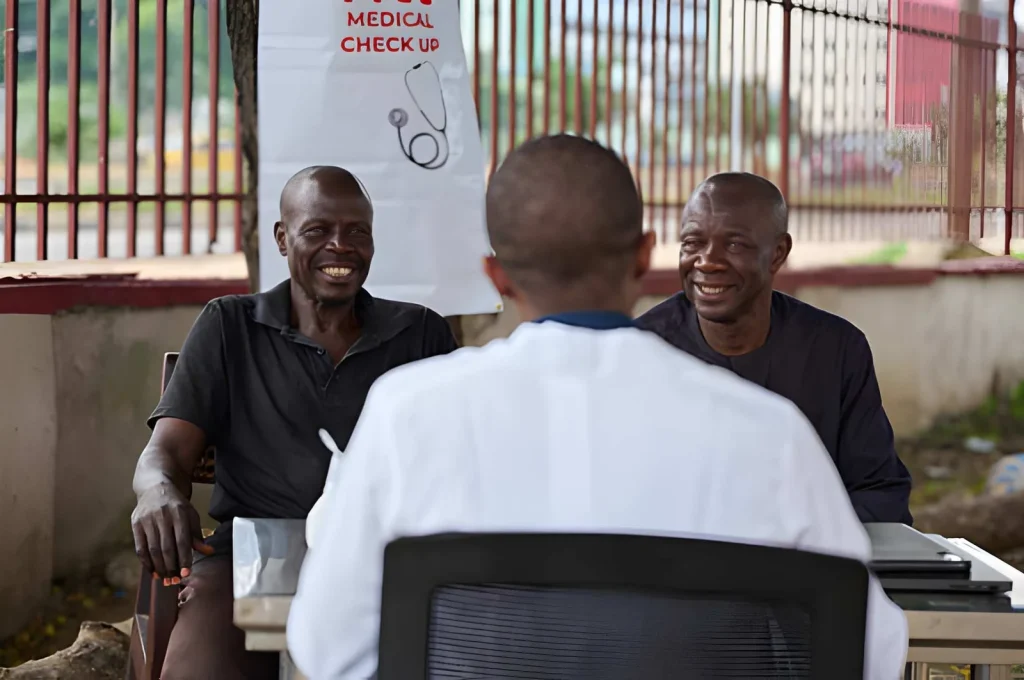
The only reliable way to identify high blood pressure is to measure it using a blood pressure monitor. Regular screening is especially important if you have a family history of hypertension, diabetes, kidney disease or other cardiovascular risk factors.
When Should You Seek Emergency Medical Care?
Seek immediate medical attention if you experience chest pain, severe difficulty breathing, sudden weakness, confusion, sudden vision changes or a severe headache accompanied by neurological symptoms.
If your blood pressure reading is around 180/120 mmHg or higher, rest briefly and repeat the measurement if you can do so safely. If it remains that high, contact a healthcare professional urgently. If you also have symptoms such as chest pain, difficulty breathing or signs of a stroke, call emergency services immediately. Do not delay care while repeating measurements.
What Causes High Blood Pressure?
High blood pressure can develop for several reasons. In many adults, there is no single identifiable cause. Instead, genetic factors, ageing, lifestyle habits and underlying health conditions contribute to its development.
Primary Hypertension
Primary hypertension develops gradually over time and does not have one clearly identifiable cause. It is the most common form of high blood pressure.
Factors such as age, family history, excess salt intake, physical inactivity and excess body weight can contribute to its development.
Secondary Hypertension
Secondary hypertension results from an identifiable underlying condition or substance. Possible causes include:
- Kidney disease
- Hormonal disorders
- Obstructive sleep apnoea
- Certain medications, including some anti-inflammatory drugs and hormonal medicines
- Some other prescription or over-the-counter medicines and substances
If your blood pressure rises suddenly or becomes difficult to control, your doctor may investigate possible underlying causes.
What Are the Risk Factors for High Blood Pressure?
Understanding the risk factors for high blood pressure can help you take steps to protect your health.
1. Family History and Age
Having close relatives with hypertension may increase your risk. The likelihood of developing high blood pressure also generally increases with age as blood vessels undergo changes.
Although you cannot change your age or family history, regular screening and healthy habits can help reduce your overall risk.
2. Eating Too Much Salt
A diet high in sodium can contribute to elevated blood pressure. Salt is common in seasoning cubes, processed meats, packaged snacks, instant noodles, salted fish and some commercially prepared foods.
Reducing the amount of salt added during cooking and limiting high-sodium foods can help protect your cardiovascular health.
3. Being Overweight or Obese
Excess body weight can increase the workload on your heart and contribute to hypertension. Maintaining a healthy weight through balanced nutrition and regular physical activity can help lower your risk.
4. Physical Inactivity
A sedentary lifestyle can contribute to excess weight and poor cardiovascular health. Regular physical activity helps support healthy blood pressure and overall wellbeing.
5. Smoking and Excessive Alcohol Consumption
Smoking damages blood vessels and increases cardiovascular risk. Excessive alcohol consumption can also raise blood pressure.
Avoiding tobacco and limiting or avoiding alcohol can support better heart health.
6. Chronic Stress and Poor Sleep
Long-term stress and inadequate sleep may contribute to unhealthy behaviours and changes in blood pressure. Conditions such as sleep apnoea can also increase hypertension risk.
Stress management, a consistent sleep routine and medical assessment for persistent sleep problems can be beneficial.
7. Diabetes and Kidney Disease
Diabetes and chronic kidney disease are associated with a higher risk of hypertension. These conditions can also make blood pressure management more complicated.
If you have either condition, regular medical reviews and blood pressure monitoring are particularly important.
What Are the Complications of Untreated High Blood Pressure?
When hypertension remains uncontrolled, it places extra strain on the heart and blood vessels. Over time, this can damage vital organs.
Possible complications include:
- Heart disease: Increased strain on the heart can contribute to coronary artery disease and other cardiovascular problems.
- Heart attack: Damage to the arteries can increase the risk of a heart attack.
- Stroke: High blood pressure can damage blood vessels supplying the brain.
- Kidney disease: Persistent high pressure can damage the kidneys and impair their ability to filter waste.
- Vision problems: Damage to the small blood vessels in the eyes can affect vision.
- Heart failure: The heart may eventually struggle to pump blood effectively.
The good news is that early detection, appropriate treatment and consistent monitoring can significantly reduce the risk of these complications.
How Can You Prevent High Blood Pressure?
Although not every case of hypertension can be prevented, adopting healthy habits can reduce your risk and help maintain healthier blood pressure levels.
1. Eat a Balanced, Heart-Healthy Diet
Include more vegetables, fruits, whole grains, beans, nuts and other nutrient-rich foods in your diet.
For everyday meals, consider:
- Eating more fresh vegetables and fruits.
- Choosing beans, fish and other suitable protein sources.
- Limiting processed foods and salty snacks.
- Reducing excess salt and seasoning cubes.
- Limiting foods high in saturated and trans fats.
You do not necessarily need to abandon familiar Nigerian meals. Instead, make practical adjustments, such as using less salt in soups and stews, eating vegetables regularly and reducing highly salted or processed foods.
If you have kidney disease or take certain medicines, ask your healthcare professional before using potassium-based salt substitutes or significantly increasing potassium-rich foods.
2. Exercise Regularly
Regular physical activity helps support a healthy heart, maintain weight and lower blood pressure.
For most adults, a useful target is at least 150 minutes of moderate-intensity aerobic activity each week, such as brisk walking, cycling or swimming.
You can begin with short walks and gradually increase your activity according to your fitness level and medical needs.
3. Maintain a Healthy Weight
If you are overweight, gradual and sustainable weight loss may help lower your blood pressure.
Focus on balanced meals, appropriate portions and regular physical activity rather than extreme diets or unverified weight-loss products.
4. Avoid Smoking and Tobacco
Smoking increases the risk of cardiovascular disease and damages blood vessels. Avoiding tobacco and seeking support to quit can improve your long-term health.
5. Manage Stress and Prioritise Sleep
Consider relaxation exercises, prayer or meditation if meaningful to you, enjoyable activities and regular physical movement to help manage stress.
Aim for consistent, adequate sleep. If you snore loudly, frequently wake up gasping or remain excessively sleepy during the day, speak with a healthcare professional about possible sleep apnoea.
6. Monitor Your Blood Pressure Regularly
Do not rely on how you feel to determine whether your blood pressure is healthy.
Have your blood pressure checked during appropriate health assessments. If you have hypertension or are at increased risk, your doctor may recommend more frequent checks or home monitoring.
7. Take Prescribed Medication Correctly
Some people can improve their blood pressure through lifestyle changes, while others need medication as well.
If you have been prescribed blood pressure medicine, take it as directed. Do not stop, reduce or change your medication without speaking to your healthcare professional, even if your readings improve.
How Often Should You Check Your Blood Pressure?
The frequency of blood pressure checks depends on your age, previous readings, medical history and overall risk.
You may need more frequent monitoring if you:
- Have previously recorded high blood pressure.
- Have diabetes or kidney disease.
- Have a family history of hypertension.
- Are pregnant or have a history of pregnancy-related hypertension.
- Take medication for blood pressure.
During a blood pressure measurement, sit quietly for about five minutes, keep your back supported and feet flat on the floor, and rest your arm at heart level. Use an appropriately sized cuff on your bare upper arm.
Avoid smoking, caffeine and exercise for at least 30 minutes before measuring your blood pressure, where possible. Follow your healthcare professional’s instructions for repeated readings and home monitoring.
A single elevated reading does not always confirm hypertension. Your healthcare professional may recommend additional measurements to establish an accurate diagnosis.
Can High Blood Pressure Be Treated?
Yes. High blood pressure can often be controlled with appropriate lifestyle changes, medication or a combination of both.
Treatment depends on your blood pressure readings, age, medical history, cardiovascular risk and any underlying conditions.
Your doctor may recommend dietary changes, physical activity, weight management, reduced sodium intake and medication where appropriate. Several types of blood pressure medicines are available, and the best option depends on your individual needs.
Regular follow-up appointments help your healthcare team assess your progress, review treatment and adjust your plan when necessary.
Never use someone else’s blood pressure medication or rely on home remedies as a substitute for professional care.
Frequently Asked Questions About High Blood Pressure
1. What is the first sign of high blood pressure?
High blood pressure often has no first sign or noticeable symptoms. Many people discover they have it during a routine health check or blood pressure measurement.
2. Can stress cause high blood pressure?
Stress can temporarily increase blood pressure. Long-term stress may also contribute to behaviours that increase hypertension risk. However, persistent high blood pressure requires proper assessment rather than being attributed to stress alone.
3. What foods should I avoid if I have high blood pressure?
Limit foods high in sodium, including heavily salted snacks, processed meats, instant noodles and meals prepared with excessive salt or seasoning cubes. You may also need to reduce foods high in saturated fats. A healthcare professional can help you create a balanced, culturally appropriate eating plan.
4. Can high blood pressure be cured permanently?
There is no guaranteed permanent cure for all forms of hypertension. However, many people can control their blood pressure effectively through lifestyle changes and medication. Continue monitoring your readings and follow your treatment plan even when your numbers improve.
5. Is high blood pressure dangerous if I feel fine?
Yes. Hypertension can damage the heart, brain, kidneys and eyes even when you feel healthy. Regular monitoring is essential because the absence of symptoms does not mean your blood pressure is normal.
6. What blood pressure reading is considered dangerous?
A reading around 180/120 mmHg or higher is severely elevated and needs urgent assessment. If accompanied by chest pain, difficulty breathing, sudden weakness, confusion or vision changes, seek emergency medical care immediately. Lower readings can also require prompt attention depending on your symptoms and medical history.
Conclusion: Take Control of Your Blood Pressure Today
High blood pressure is a serious but manageable health condition. Understanding the symptoms, recognising your risk factors and adopting preventive habits can help protect you against heart disease, stroke and kidney damage.
Remember that you can have high blood pressure without feeling unwell. Regular blood pressure checks, a balanced diet, physical activity and adherence to prescribed treatment are important steps towards better health.
Do not wait for symptoms before taking action. Make blood pressure screening part of your routine healthcare and seek professional advice if your readings are consistently elevated.
Protect your heart. Know your numbers. Prioritise your health.
At Isalu Hospitals, your health deserves attention before a problem becomes an emergency. Speak with a qualified healthcare professional about blood pressure screening, cardiovascular risk assessment and a personalised care plan.
Visit Isalu Hospitals to learn more about available healthcare services and take the next step towards proactive health management.
Medical Disclaimer
This article is for general educational purposes and does not replace professional medical advice, diagnosis or treatment. Blood pressure thresholds and treatment recommendations may vary according to clinical guidelines and individual circumstances. Consult a qualified healthcare professional for personalised guidance.
Leave a reply

Leave a reply