An Ebola outbreak is a serious public health concern that requires timely information, early detection, and effective prevention. Ebola virus disease is a severe illness that can cause life-threatening complications, particularly when treatment and supportive care are delayed.
As of October 20, 2026, the World Health Organization (WHO) reported an imported case of Ebola Bundibugyo virus disease in Nigeria’s Federal Capital Territory (FCT). Health authorities are investigating potential exposure and monitoring identified contacts. This makes it especially important for Nigerians to understand the symptoms, transmission routes, and steps to take if exposure is suspected.
At Isalu Hospitals, we believe that reliable health information empowers people to make informed decisions. Here is what you need to know about Ebola and how to protect yourself and your family.
What Is Ebola Virus Disease?
Ebola virus disease (EVD), commonly called Ebola, is a severe infectious disease caused by viruses belonging to the Orthoebolavirus genus. It can affect humans and certain non-human primates.
The disease is associated with high mortality in some outbreaks, although outcomes vary depending on the virus species, severity of illness, and availability of appropriate medical care.
Ebola outbreaks require rapid public health action, including identifying suspected cases, isolating infected patients, tracing contacts, and implementing infection prevention measures.
Latest Ebola Outbreak Updates: What Nigerians Should Know
The current outbreak was first reported in the Democratic Republic of the Congo (DRC) in May 2026 and involves the Bundibugyo virus.
On October 20, 2026, WHO confirmed an imported case in Abuja, Nigeria. The patient was placed in isolation and received medical care, while authorities began monitoring identified contacts and strengthening infection prevention measures at the healthcare facility involved.
Key facts:
-
Location: A confirmed imported case was reported in Abuja, Nigeria.
-
Virus strain: Bundibugyo virus.
-
Response: Isolation, contact tracing, laboratory testing, and enhanced infection control.
-
Public advice: Stay informed through official health authorities and report suspected exposure promptly.
The confirmation of an imported case does not mean that widespread community transmission is occurring throughout Nigeria. Follow official updates from the Nigeria Centre for Disease Control and Prevention (NCDC) and the World Health Organization.
What Are the Early Symptoms of Ebola?
Ebola symptoms may appear between 2 and 21 days after exposure, with symptoms commonly developing within 8–10 days. Early signs can resemble malaria, typhoid fever, and other infections, making prompt medical assessment important.
Common Ebola symptoms include:
1. Fever and extreme tiredness
Sudden fever, weakness, fatigue, and a general feeling of being unwell may be among the earliest symptoms.
2. Severe headache and muscle pain
Headaches, body aches, and muscle pain may develop as the illness progresses.
3. Vomiting, diarrhoea and abdominal pain
Gastrointestinal symptoms may lead to dehydration and significant fluid loss.
4. Unexplained bleeding in some cases
Some patients may experience bleeding from the gums, nose, injection sites, or other body openings. However, bleeding does not occur in every case.
Important: These symptoms do not automatically mean someone has Ebola. Malaria and other illnesses can cause similar symptoms. Diagnosis requires appropriate medical assessment and laboratory testing.
How Does Ebola Spread?
Understanding how Ebola spreads is essential to preventing further infections.
The virus can spread through:
-
Direct contact with infected body fluids: Blood, vomit, stool, urine, saliva, breast milk, semen, and other infectious fluids.
-
Contaminated objects: Needles, medical equipment, clothing, or bedding contaminated with infected body fluids.
-
Contact with infected animals: Exposure to infected wildlife, including certain bats and non-human primates.
-
Contact with deceased infected people: Traditional burial practices involving touching or washing the body can expose others to infection.
Healthcare workers may also become infected when appropriate protective equipment and infection prevention procedures are not followed.
Ebola does not spread simply because someone shares the same room or passes another person in the street. The main concern is direct exposure to infectious body fluids or contaminated materials.
How Can You Protect Yourself During an Ebola Outbreak?
Taking practical precautions can reduce the risk of infection.
1. Practise proper hand hygiene
Wash your hands thoroughly with soap and running water, especially after using the toilet and before preparing or eating food.
2. Avoid contact with body fluids
Do not touch the blood, vomit, stool, or other body fluids of someone suspected or confirmed to have Ebola. Trained professionals should manage suspected cases.
3. Seek professional medical advice
If you develop symptoms after a possible exposure, contact a healthcare provider or public health authority immediately and explain your exposure history before arriving at a facility.
4. Follow verified health updates
Use official announcements from the NCDC, Federal Ministry of Health and Social Welfare, and WHO rather than unverified social media messages.
5. Avoid unsafe handling of suspected contaminated materials
Do not handle potentially contaminated needles, medical waste, or bedding without appropriate training and protective equipment.
What Should You Do If You Suspect Ebola Infection?
Early reporting can help protect patients, healthcare workers, and the wider community.
If you have symptoms following possible exposure to Ebola:
-
Contact health authorities promptly. Explain your symptoms, travel history, and any known contact with a suspected or confirmed case.
-
Avoid close physical contact with others. Do not attempt to care for a suspected patient without professional guidance.
-
Do not self-medicate or rely on home remedies. Seek professional guidance and follow the instructions provided.
-
Follow instructions for safe assessment and transport. Avoid arriving unannounced at a crowded clinic if Ebola is suspected.
Do not wait for bleeding to occur before seeking help. Early symptoms can be nonspecific, and prompt evaluation is important.
Is There a Vaccine or Treatment for Ebola?
Treatment options depend on the Ebola virus species involved.
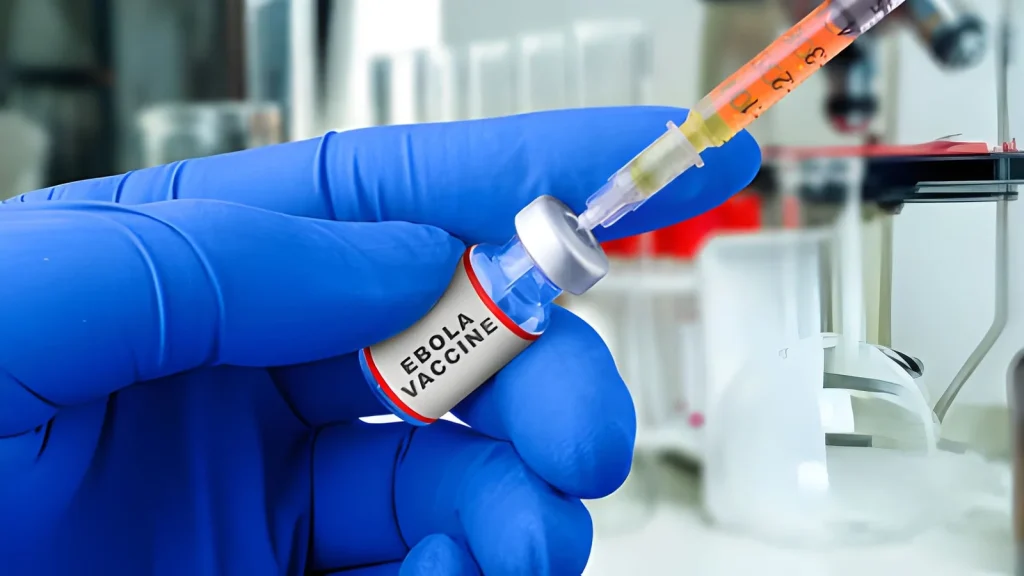
For some forms of Ebola, approved vaccines and specific treatments are available. However, the current outbreak involves the Bundibugyo virus, for which reports as of October 2026 indicate that no approved vaccine or specific treatment is available.
Patients can still receive supportive medical care, including fluid and electrolyte replacement, oxygen and blood pressure support where necessary, and treatment of complications. Early, appropriate care can improve the chance of survival.
Do not assume that a vaccine developed for another Ebola virus species will protect against the Bundibugyo strain.
Frequently Asked Questions About the Ebola Outbreak
1. Is there an Ebola outbreak in Nigeria?
Yes. WHO confirmed an imported case of Ebola Bundibugyo virus disease in Abuja on October 20, 2026. Health authorities are investigating the case and monitoring identified contacts. Check official NCDC announcements for the latest situation.
2. How long does it take for Ebola symptoms to appear?
Symptoms typically develop within 2–21 days after exposure. Anyone with a possible exposure should follow public health guidance even if they initially feel well.
3. Can Ebola be cured?
There is no single answer for every Ebola strain. Specific treatments exist for some forms of the disease, while care for Bundibugyo virus disease currently focuses on supportive medical management and treatment of complications.
4. Can Ebola spread through the air?
Ebola is not generally transmitted through the air in the way measles or influenza can spread. Transmission primarily occurs through direct contact with infectious body fluids, contaminated materials, or infected animals.
5. Should Nigerians panic about Ebola?
No. The appropriate response is vigilance, not panic. Stay informed, follow official health guidance, practise good hygiene, and report suspected exposure promptly. A confirmed imported case does not by itself establish widespread transmission in the community.
Conclusion: Stay Informed and Protect Your Health
An Ebola outbreak requires accurate information, early detection, and coordinated public health action. Knowing the symptoms of Ebola, understanding how it spreads, and following prevention guidance can help protect you, your family, and your community.
With the imported case reported in Nigeria in October 2026, it is especially important to rely on official updates and seek prompt professional advice if you suspect exposure.
Your health matters. At Isalu Hospitals, we encourage everyone to take unusual symptoms seriously, seek appropriate medical attention, and avoid spreading unverified information.
For the latest guidance, visit the NCDC website or the WHO website.
-

Leave a reply