How We Protect Patients From Infection: 5 Essential Hospital Safety Practices
At Isalu Hospitals, protecting patients from infection is an essential part of delivering safe, reliable and quality healthcare. Every day, our healthcare professionals follow infection prevention and control (IPC) practices designed to reduce the spread of harmful germs and create a safer environment for patients, visitors and staff.
From proper hand hygiene and sterilisation to safe medical waste disposal, personal protective equipment (PPE) and environmental cleaning, hospital infection prevention involves several important steps that work together to minimise the risk of healthcare-associated infections.
In this article, we explain how these five essential practices help protect patients and support safer healthcare at Isalu Hospitals.
What Is Infection Prevention and Control in Hospitals?
Infection prevention and control refers to the policies, procedures and everyday practices used to prevent infections from spreading within healthcare facilities.
Patients may be more vulnerable to infections when recovering from surgery, receiving medical treatment or managing an existing illness. Bacteria, viruses and other microorganisms can spread through contaminated hands, medical equipment, surfaces, body fluids or respiratory droplets.
Effective hospital infection control helps reduce these risks and supports better patient outcomes. It also promotes a culture of safety in which every member of the healthcare team has a role to play.
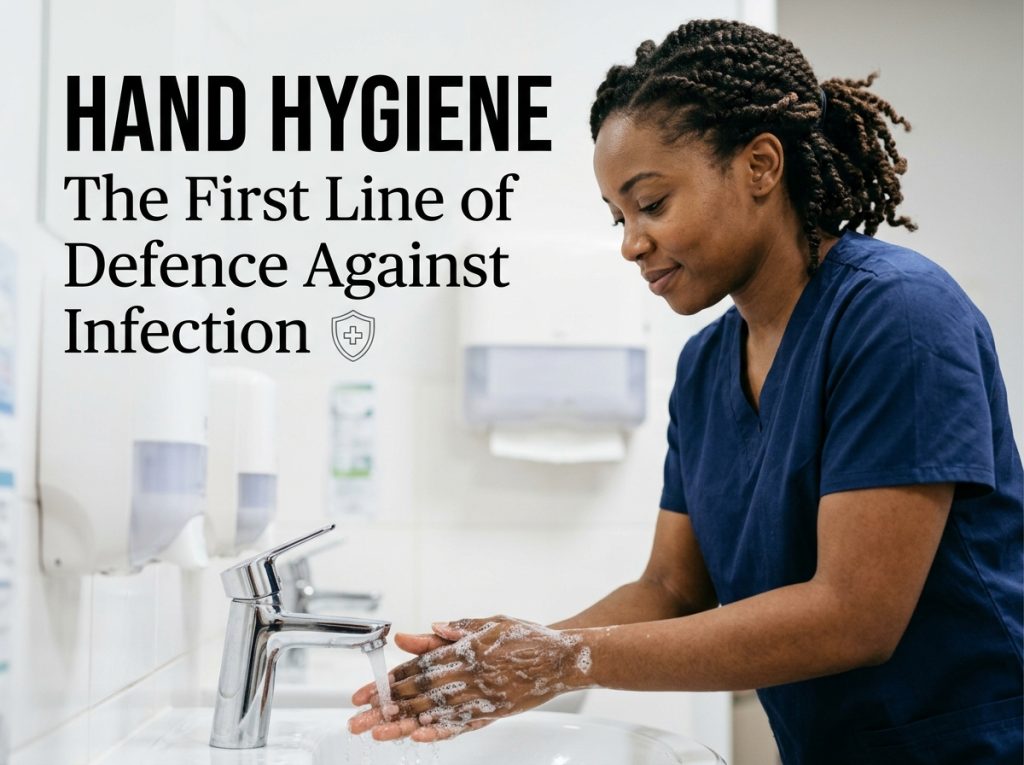
1. Hand Hygiene: The First Line of Defence Against Infection
Hand hygiene is one of the most effective ways to prevent the spread of infection in healthcare settings. Healthcare workers’ hands can pick up microorganisms from patients, medical equipment and frequently touched surfaces.
At Isalu Hospitals, consistent hand hygiene is an important part of safe patient care.
Effective hand hygiene includes:
-
Washing with soap and water: Especially when hands are visibly dirty or contaminated with blood or other body fluids.
-
Using alcohol-based hand rub: When hands are not visibly soiled, following appropriate clinical guidelines.
-
Cleaning hands at the right moments: Before touching a patient, before clean or aseptic procedures, after potential exposure to body fluids, after touching a patient and after touching the patient’s surroundings.
These practices help interrupt the transfer of germs between patients, healthcare workers and the hospital environment.
Patients and visitors can also contribute by practising good hand hygiene and reminding one another about the importance of clean hands.
2. Medical Equipment Sterilisation: Keeping Instruments Safe
Medical equipment can carry harmful microorganisms if it is not properly cleaned and processed between uses. This is why medical equipment sterilisation is a critical component of hospital infection prevention.
Sterilisation is a validated process designed to eliminate all forms of microbial life, including bacterial spores. Depending on the equipment, appropriate sterilisation methods may include steam under pressure or other approved processes.
Our infection prevention approach should include the following essential practices:
-
Cleaning used instruments to remove blood, tissue and other organic material.
-
Disinfecting or sterilising reusable equipment according to its intended use and the manufacturer’s instructions.
-
Using validated procedures and appropriate monitoring to verify that sterilisation processes are effective.
-
Maintaining sterile packaging and storing processed instruments appropriately until use.
Not every medical item requires sterilisation; the method depends on the type of equipment and its intended contact with the patient. Reusable instruments must be processed appropriately before they are used on another patient.
3. Safe Medical Waste Disposal: Protecting Patients and the Community

Hospitals generate different types of waste, including general waste, contaminated materials, used dressings, needles and other sharps. If this waste is handled incorrectly, it can expose patients, healthcare workers, cleaners, waste handlers and the wider community to infection or injury.
Safe medical waste disposal begins where the waste is generated.
Key infection prevention measures include:
-
Waste segregation: Separate general waste from infectious waste and sharps using designated, clearly identified containers.
-
Safe sharps disposal: Place used needles and other sharps immediately into appropriate puncture-resistant sharps containers.
-
Proper handling and collection: Ensure waste is collected, transported and stored safely by trained personnel.
-
Appropriate treatment and final disposal: Follow applicable healthcare waste management guidelines and environmental regulations.
Correct waste management reduces unnecessary exposure to infectious materials and helps maintain a safer hospital environment.
4. Personal Protective Equipment (PPE): Creating a Protective Barrier
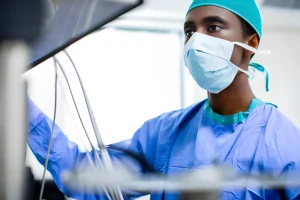
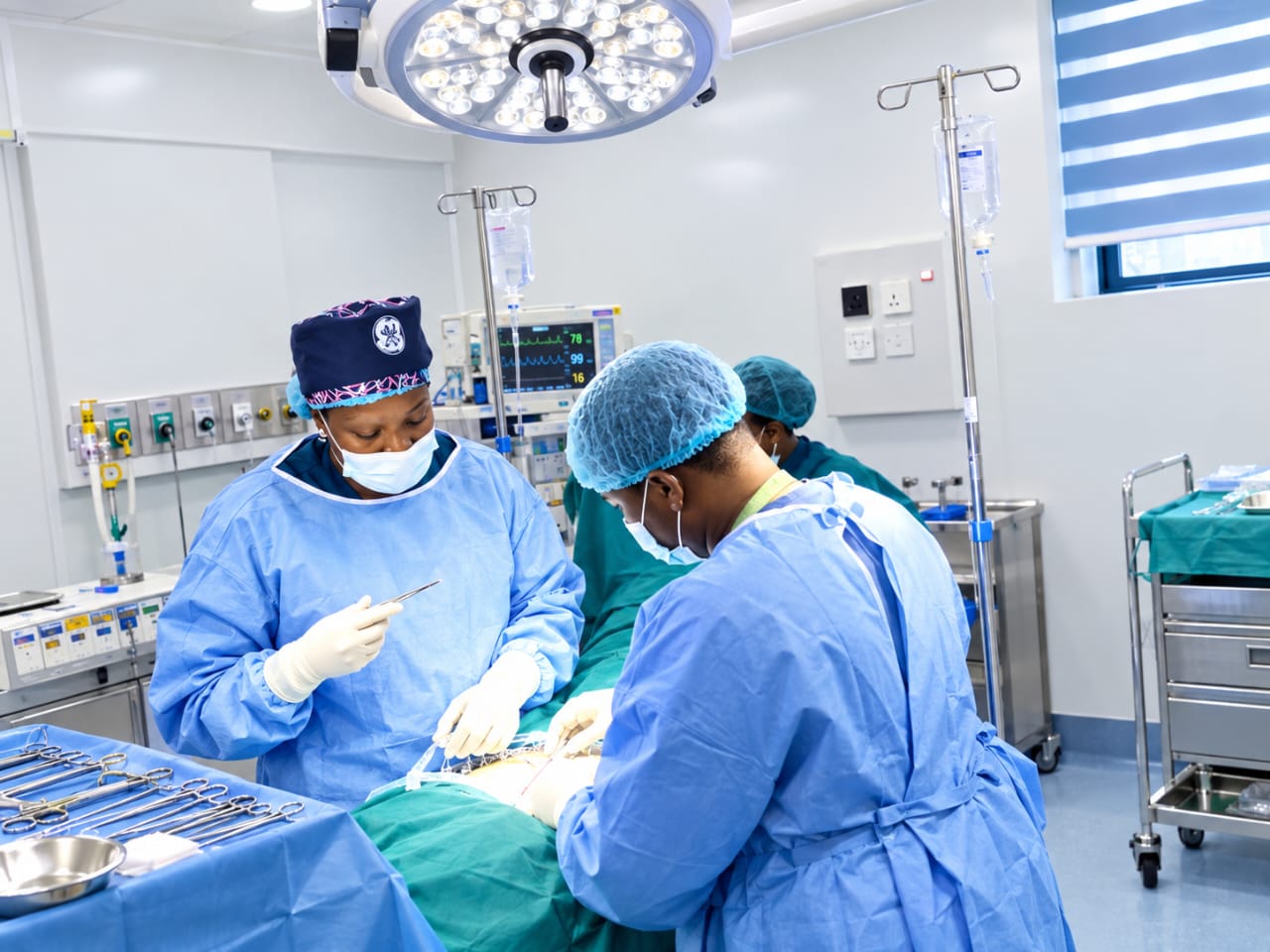
Personal protective equipment (PPE) helps protect healthcare workers and patients from exposure to potentially infectious materials. Depending on the procedure and the level of risk, PPE may include gloves, medical masks, protective gowns, eye protection and respirators.
At Isalu Hospitals, appropriate PPE use should be guided by the nature of the care being provided and the potential exposure to infection.
Important PPE practices include:
-
Selecting the appropriate protective equipment for the task.
-
Wearing gloves when indicated, without treating them as a substitute for hand hygiene.
-
Using masks, gowns and eye protection when the anticipated exposure requires them.
-
Removing and disposing of single-use PPE safely.
-
Performing hand hygiene after removing gloves and other protective equipment when indicated.
PPE is most effective when combined with hand hygiene, safe equipment handling and other standard infection prevention precautions.
5. Environmental Cleaning: Maintaining a Safe Hospital Environment
Hospital surfaces can become contaminated through contact with patients, staff, visitors and medical equipment. Frequently touched areas, such as bed rails, bedside tables, door handles and examination surfaces, require particular attention.
Environmental cleaning helps reduce the spread of microorganisms and supports a hygienic care environment.
Our infection prevention approach should include:
-
Routine cleaning: Clean patient rooms, waiting areas, treatment rooms and other hospital spaces according to established schedules.
-
High-touch surface disinfection: Give particular attention to surfaces frequently handled by patients and staff.
-
Prompt spill management: Clean and decontaminate blood or body-fluid spills using approved procedures and suitable protective equipment.
-
Correct cleaning products: Use appropriate disinfectants according to product instructions, including the required dilution and contact time.
-
Staff training and monitoring: Train cleaning personnel and check that cleaning procedures are followed consistently.
Cleaning and disinfection are related but distinct processes. Cleaning removes dirt and organic material, while disinfection uses suitable products to reduce or eliminate many harmful microorganisms on surfaces. Both are important to effective hospital infection prevention
How Patients and Visitors Can Help Prevent Hospital Infections
Infection prevention is a shared responsibility. While healthcare professionals play a central role, patients and visitors can also help reduce the spread of germs.
Here are five simple ways to contribute:
-
Clean your hands regularly, especially before eating and after using the toilet.
-
Follow hospital instructions on masks, protective equipment and isolation precautions.
-
Avoid visiting when unwell, particularly if you have symptoms of a contagious illness.
-
Keep your surroundings tidy and avoid touching medical equipment unnecessarily.
-
Speak up respectfully if you have questions about hygiene or infection prevention during your care.
Patients and their loved ones can ask healthcare workers about hand hygiene when they have concerns. Open communication helps strengthen patient safety.
Why Infection Prevention Matters at Isalu Hospitals
Effective infection prevention and control supports safer healthcare delivery by reducing avoidable exposure to infectious microorganisms. Hand hygiene, medical equipment sterilisation, proper waste disposal, appropriate PPE and environmental cleaning work together to protect patients, healthcare professionals and visitors.
At Isalu Hospitals, our commitment to exceptional care goes hand in hand with the importance of hygiene, safety and responsible healthcare practices.
By understanding these measures, patients can make informed decisions, ask important questions and take an active role in their healthcare journey.
Conclusion: Safe Healthcare Starts With Infection Prevention
How we protect patients from infection comes down to consistent attention to the essential details of healthcare delivery. From clean hands and properly processed medical instruments to safe waste management, suitable protective equipment and clean clinical environments, every precaution matters.
Infection prevention is not a single action. It is an ongoing commitment to patient safety that requires teamwork, training and consistent adherence to established clinical standards.
At Isalu Hospitals, exceptional care begins with making patient safety a priority.
Your health matters. Your safety matters.
Visit Isalu Hospitals to learn more about our healthcare services and how we can support your healthcare needs.
Leave a reply


Leave a reply