Diabetes is a health condition that affects how the body regulates blood sugar (glucose). When blood sugar remains too high, it can damage important organs, including the heart, kidneys, eyes and nerves.
One challenge with diabetes is that its early symptoms can be mild or go unnoticed, particularly in people with type 2 diabetes. Recognising the warning signs of diabetes early can help you seek medical attention and reduce the risk of serious complications.
Whether you are concerned about your health or that of a loved one, here are seven possible diabetes symptoms you should never ignore.
1. Frequent Urination
Are you visiting the toilet more frequently than usual, especially at night?
Frequent urination is one of the common warning signs of diabetes. When blood sugar levels are too high, the kidneys work to remove excess glucose through urine. This can increase the amount of urine your body produces.
If you notice a persistent change in your urination habits, consider speaking with a healthcare professional.
2. Excessive Thirst
Feeling thirsty after exercise or spending time in hot weather is normal. However, constant thirst despite drinking enough water may indicate a health problem.
When you urinate frequently, your body loses more water than usual, which can lead to dehydration and increased thirst.
If you are constantly thirsty without an obvious reason, a blood sugar test may help identify the cause.
3. Unexplained Weight Loss
Losing weight without changing your diet or exercise routine can sometimes be a warning sign of diabetes.
When your body cannot use glucose effectively for energy, it may begin breaking down stored fat and muscle instead. This can lead to unexpected weight loss.
Although several conditions can cause unexplained weight loss, it is important not to dismiss it, particularly when it occurs alongside excessive thirst or frequent urination.
4. Persistent Tiredness and Weakness
Do you often feel exhausted even after getting enough sleep?
Persistent fatigue is another possible symptom of diabetes. When glucose cannot enter your body’s cells effectively, your body may struggle to use it for energy. Dehydration associated with high blood sugar can also contribute to tiredness.
If you regularly feel unusually weak or exhausted, consult a healthcare professional to determine the underlying cause.
5. Blurred Vision
Changes in your vision can sometimes be linked to elevated blood sugar levels.
High blood sugar can affect the fluid balance in the eyes, temporarily changing the shape of the lens and making it difficult to see clearly.
Do not ignore persistent blurred vision. Seek medical advice, especially if it occurs alongside other symptoms of diabetes. Sudden vision changes require urgent medical assessment.
6. Slow-Healing Wounds and Frequent Infections
Have you noticed that cuts, sores or minor injuries take longer than usual to heal?
High blood sugar can interfere with the body’s healing processes and weaken its ability to fight infections effectively.
Some people with diabetes also experience recurring skin infections, urinary tract infections or genital fungal infections.
If you frequently develop infections or have a wound that is not healing, seek medical attention. Foot wounds deserve particular care because diabetes-related nerve damage and poor circulation can make them more serious.
7. Increased Hunger or Tingling in the Hands and Feet
Two additional symptoms worth paying attention to are persistent hunger and unusual sensations in your hands or feet.
Increased hunger: You may feel hungry even after eating because your body is not using glucose effectively for energy.
Tingling or numbness: Persistently high blood sugar can damage nerves over time, leading to tingling, burning sensations, pain or reduced feeling, particularly in the feet.
These symptoms can have other causes, but they should not be ignored when they persist or occur alongside other possible diabetes symptoms.
When Should You Get Tested for Diabetes?
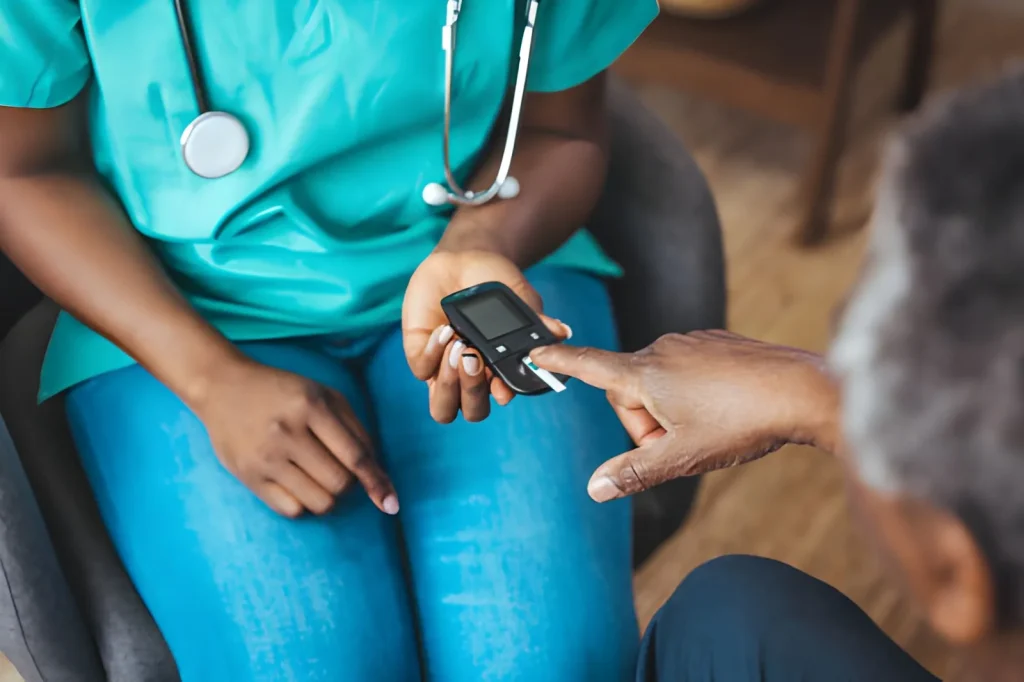
If you recognise one or more of these warning signs, speak with a healthcare professional about getting your blood sugar checked.
Common tests used to diagnose diabetes include:
Fasting blood glucose test: Measures blood sugar after a period of fasting.
HbA1c test: Measures your average blood sugar over approximately two to three months.
Random blood glucose test: Measures blood sugar at any time and may help diagnose diabetes when typical symptoms are present.
Your healthcare professional will determine which test is appropriate and interpret the results.
Remember, you can have diabetes without noticeable symptoms. Regular screening is particularly important if you have risk factors such as a family history of diabetes, excess weight, limited physical activity or a history of gestational diabetes.
Can You Reduce Your Risk of Type 2 Diabetes?
Although not all types of diabetes can be prevented, certain lifestyle changes can help reduce the risk of type 2 diabetes.
Consider these healthy habits:
- Eat a balanced diet with vegetables, whole grains, legumes and appropriate portions.
- Engage in regular physical activity.
- Maintain a healthy weight where possible.
- Limit sugary drinks and excessive intake of highly processed foods.
- Attend routine medical check-ups and recommended blood sugar screenings.
- Follow your healthcare professional’s advice if you have prediabetes or other risk factors.
These habits support overall health, but they do not guarantee that diabetes will be prevented.
Conclusion: Recognize the Warning Signs of Diabetes Early
Recognising the warning signs of diabetes can help you take action before complications develop. Frequent urination, excessive thirst, unexplained weight loss, persistent fatigue, blurred vision, slow-healing wounds and increased hunger or tingling in the hands and feet are symptoms worth taking seriously.
However, these symptoms do not automatically mean you have diabetes. A proper medical assessment and appropriate blood tests are necessary for diagnosis.
Do not wait for symptoms to become severe before seeking medical advice. Early detection and appropriate treatment can help you manage diabetes and protect your long-term health.
Take Charge of Your Health with Isalu Hospitals
At Isalu Hospitals, your health deserves attention and professional care. If you have noticed possible symptoms of diabetes or want to understand your risk, speak with a healthcare professional about appropriate screening and next steps.
Book an appointment today.
Website: Isaluhospitals.com
Phone: 07033304851
Medical disclaimer: This article is for educational purposes only and does not replace professional medical advice, diagnosis or treatment.
Leave a reply






Leave a reply