Pregnancy is an important period that requires special attention to a woman’s health. One condition that deserves careful monitoring is
There are different types of hypertension associated with pregnancy:
-
Chronic hypertension: High blood pressure that exists before pregnancy or develops before 20 weeks of pregnancy.
-
Gestational hypertension: High blood pressure that develops after 20 weeks without other signs of pre-eclampsia.
-
Pre-eclampsia: A pregnancy complication involving high blood pressure and signs of damage to organs such as the kidneys or liver.
-
Chronic hypertension with superimposed pre-eclampsia: When a woman with existing hypertension develops pre-eclampsia during pregnancy.
Each type requires proper medical assessment and monitoring.
What Causes High Blood Pressure During Pregnancy?
The exact cause depends on the type of hypertension. However, certain factors can increase a woman’s risk, including:
-
Previous history of high blood pressure.
-
First pregnancy.
-
Previous pre-eclampsia.
-
Multiple pregnancy, such as twins or triplets.
-
Diabetes or kidney disease.
-
Obesity.
-
Family history of pre-eclampsia.
-
Being aged 40 or older.
Having one or more risk factors does not necessarily mean a woman will develop hypertension, but it makes regular antenatal monitoring particularly important.
5 Warning Signs of Hypertension in Pregnancy
High blood pressure does not always produce noticeable symptoms. However, when it is associated with pre-eclampsia, some warning signs may include:
-
Persistent headaches: Severe or recurring headaches that do not go away.
-
Swelling of the face and hands: Sudden or unusual swelling, particularly around the face and hands.
-
Vision problems: Blurred vision, seeing flashing lights or spots.
-
Upper abdominal pain: Particularly pain below the ribs.
-
Difficulty breathing: This may indicate a serious complication requiring urgent medical attention.
These symptoms should never be ignored. Seek immediate medical assessment if they occur during pregnancy, even if a previous blood pressure reading was normal.
What Are the Risks of Hypertension for the Mother?
Uncontrolled hypertension can increase the risk of several complications for the mother, including:
-
Pre-eclampsia: A serious condition that can affect vital organs.
-
Eclampsia: A life-threatening complication involving seizures.
-
Stroke: Extremely high blood pressure can increase the risk of stroke.
-
Kidney and liver damage: Severe pre-eclampsia can affect the normal functioning of these organs.
-
Placental abruption: The placenta separates from the uterus before delivery.
Early diagnosis and appropriate treatment can significantly reduce these risks.
How Does High Blood Pressure Affect the Baby?
Hypertension during pregnancy can affect the flow of blood and nutrients from the mother to the baby through the placenta.
Possible complications include:
-
Restricted fetal growth: The baby may not grow as expected.
-
Low birth weight: Reduced placental blood flow can affect the baby’s development.
-
Premature birth: Early delivery may become necessary to protect the mother and baby.
-
Placental complications: Problems with the placenta can affect the baby’s oxygen and nutrient supply.
-
Stillbirth: Severe, untreated complications can sometimes result in pregnancy loss.
Regular antenatal visits help doctors monitor the baby’s development and identify potential problems early.
How Is Hypertension Diagnosed During Pregnancy?
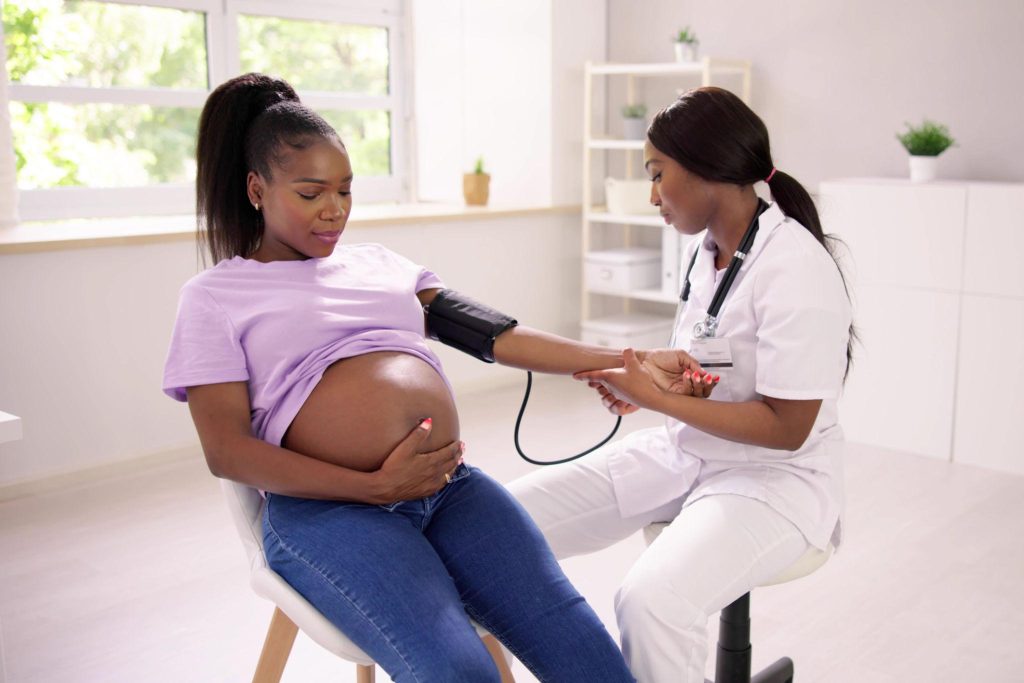
Hypertension in pregnancy is diagnosed through routine medical examinations and appropriate investigations.
How Can Hypertension in Pregnancy Be Managed?
Treatment depends on the severity of the condition, the stage of pregnancy and the health of both mother and baby.
Management may include:
-
Prescribed blood pressure medications that are appropriate during pregnancy.
-
Regular blood pressure monitoring.
-
Routine antenatal appointments.
-
Monitoring the baby’s growth and wellbeing.
-
Hospital admission when closer observation or urgent treatment is required.
-
Planned delivery when continuing the pregnancy poses a greater risk.
Never stop prescribed blood pressure medication or start a new medication without consulting your doctor.
Can Hypertension in Pregnancy Be Prevented?
Not all cases of pregnancy-related hypertension can be prevented. However, certain measures can help reduce risks and support a healthier pregnancy.
-
Attend all scheduled antenatal appointments.
-
Monitor your blood pressure as advised by your healthcare provider.
-
Eat a balanced and nutritious diet.
-
Engage in pregnancy-safe physical activities when approved by your doctor.
-
Maintain a healthy weight.
-
Manage existing health conditions.
-
Follow your doctor’s recommendations regarding medication and preventive care.
Women at increased risk of pre-eclampsia may benefit from prescribed low-dose aspirin, but this should only be started following medical assessment.
When Should You See a Doctor?
Pregnant women should seek medical attention if they experience persistent headaches, sudden swelling of the face or hands, vision changes, upper abdominal pain or difficulty breathing.
A blood pressure reading of 160/110 mmHg or higher is considered severe and requires urgent medical attention, even without symptoms.
Do not wait for your next antenatal appointment if you experience these warning signs.
Conclusion: Protecting Mother and Baby Through Early Detection
Hypertension in pregnancy is a serious condition, but early detection, regular monitoring and appropriate medical care can help reduce complications for both mother and baby.
Every expectant mother should prioritise antenatal care, understand the warning signs and seek medical attention whenever something feels unusual.
At Isalu Hospitals, we encourage expectant mothers to prioritise their health through regular antenatal check-ups, proper screening and professional medical guidance. Early attention can make a significant difference to a healthier pregnancy and safer delivery.
Leave a reply

Leave a reply