Infection Prevention: A Complete Guide to Staying Safe in Hospitals and Everyday Life
Infection prevention is essential for protecting patients, healthcare workers, families, and communities from harmful microorganisms. Whether in a hospital, clinic, workplace, or home, simple preventive measures can reduce the spread of infections and support a healthier environment.
For a healthcare organisation such as Isalu Hospitals, infection prevention is an important part of patient safety, quality healthcare delivery, and public health education.
The article below is structured as an SEO-friendly healthcare blog post, with the main keyword incorporated naturally into the title, introduction, subheadings, and conclusion.
What Is Infection Prevention?
Infection prevention refers to the practices, procedures, and measures used to reduce the risk of harmful microorganisms spreading from one person, surface, or environment to another.
These microorganisms include bacteria, viruses, fungi, and parasites that can cause illnesses ranging from mild infections to serious, life-threatening conditions.
In healthcare settings, infection prevention and control (IPC) involves hand hygiene, environmental cleaning, appropriate use of personal protective equipment (PPE), safe medical procedures, and other evidence-based practices. The World Health Organization (WHO) identifies IPC as a fundamental component of patient safety and quality healthcare.
Why Is Infection Prevention Important?
Effective infection prevention protects individuals and helps healthcare facilities maintain safe environments for treatment and recovery.
Key benefits include:
-
Protecting patients: Reduces the risk of acquiring infections during hospital visits, medical procedures, and hospital stays.
-
Safeguarding healthcare workers: Minimises exposure to infectious materials and communicable diseases.
-
Reducing hospital-acquired infections: Helps prevent infections associated with healthcare delivery.
-
Supporting faster recovery: Avoiding additional infections can reduce complications and unnecessary delays in treatment.
-
Combating antimicrobial resistance: Appropriate infection control helps limit the spread of resistant microorganisms.
-
Protecting families and communities: Reduces opportunities for infectious diseases to spread beyond healthcare facilities.
Strong infection prevention programmes also support better healthcare quality and patient outcomes.
10 Essential Infection Prevention Measures
1. Practise Proper Hand Hygiene
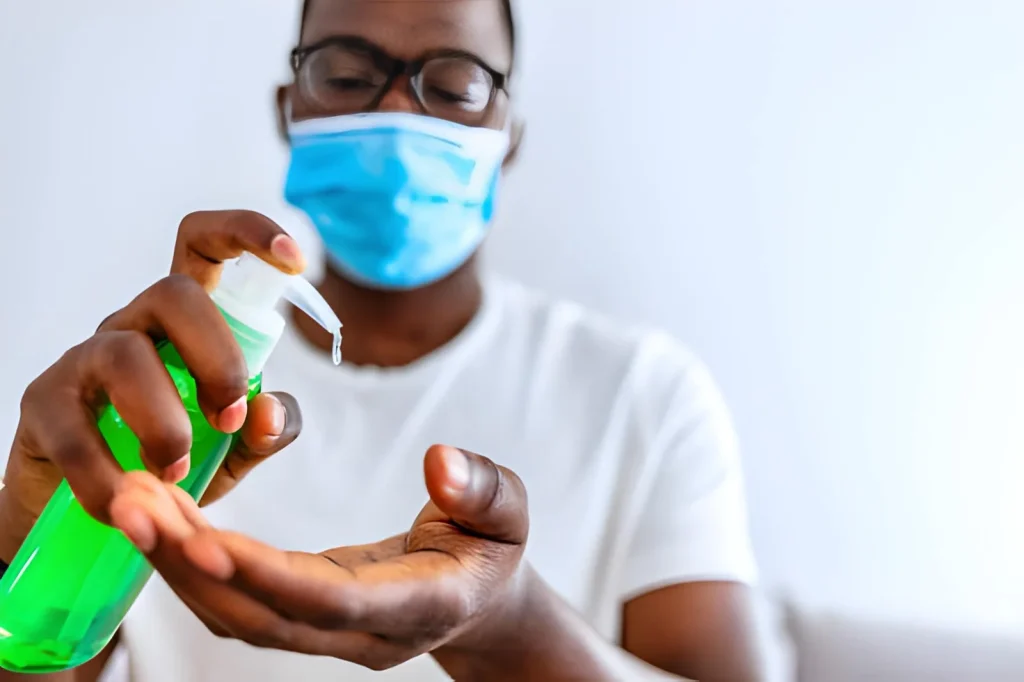
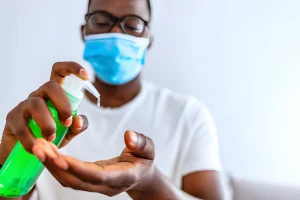
Hand hygiene is one of the most important ways to reduce the spread of infections.
Wash your hands thoroughly with soap and clean running water, particularly after using the toilet, before preparing food, after handling waste, and whenever your hands are visibly dirty.
Alcohol-based hand sanitiser can be a suitable alternative when hands are not visibly soiled and the product is appropriate for the situation.
In healthcare environments, staff should clean their hands at the recommended moments before and after patient contact and when handling medical devices.
Practical tip: Keep handwashing facilities and suitable sanitiser readily accessible in homes, workplaces, and healthcare facilities.
2. Use Personal Protective Equipment Correctly
Personal protective equipment includes gloves, medical masks, gowns, goggles, and face shields.
Healthcare professionals should select PPE according to the anticipated exposure and the infection risks involved. Correct use helps protect the wearer and reduces the risk of contaminating patients, equipment, and surrounding surfaces.
Remember that gloves do not replace hand hygiene. Hands should be cleaned at the appropriate times before putting on and after removing gloves.
3. Maintain a Clean and Disinfected Environment
Frequently touched surfaces can become contaminated with microorganisms. Regular cleaning and appropriate disinfection help reduce the risk of transmission.
Important areas include:
-
Hospital beds and bedside tables.
-
Door handles and handrails.
-
Examination couches and clinical work surfaces.
-
Medical equipment and frequently handled devices.
-
Toilets, bathrooms, and other shared facilities.
Cleaning removes dirt and organic material, while disinfection uses appropriate products to reduce harmful microorganisms. In healthcare settings, staff should follow approved procedures, product instructions, and recommended contact times.
4. Practise Respiratory Hygiene
Respiratory hygiene helps reduce the spread of infections that can be transmitted through respiratory particles.
To practise good respiratory hygiene:
-
Cover your mouth and nose when coughing or sneezing.
-
Use a tissue and dispose of it safely.
-
Clean your hands after handling respiratory secretions.
-
Wear a suitable mask when recommended by public health guidance or clinical staff.
-
Stay away from others when ill where possible, particularly in crowded settings.
-
Maintain good ventilation in indoor spaces.
People with symptoms should follow medical advice and any infection-control instructions provided by their healthcare facility.
5. Ensure Safe Medical Equipment Handling
Medical equipment must be appropriately cleaned, disinfected, or sterilised according to its intended use and the manufacturer’s instructions.
Reusable instruments that enter sterile body tissues require appropriate sterilisation. Other equipment may require cleaning and disinfection at the correct level for its use.
Healthcare workers should also ensure that medical devices are handled safely, stored correctly, and prepared before use on another patient.
6. Follow Safe Injection and Sharps Practices
Unsafe injections and improper handling of needles can expose patients and healthcare workers to serious infections.
Essential practices include using a new sterile needle and syringe for each injection, never reusing single-use injection equipment, and disposing of used sharps immediately in approved puncture-resistant containers.
These precautions help prevent exposure to bloodborne infections and other avoidable complications.
7. Handle Food and Water Safely
Infection prevention also begins at home.
Contaminated food and water can transmit microorganisms responsible for diarrhea illnesses and other infections.
To reduce these risks:
-
Wash your hands before preparing or eating food.
-
Use safe drinking water.
-
Wash fruits and vegetables appropriately.
-
Cook food thoroughly.
-
Keep raw and cooked foods separate.
-
Store food at suitable temperatures.
-
Maintain clean kitchen utensils and food preparation surfaces.
These habits are particularly important for children, older adults, and people with weakened immune systems.
8. Dispose of Waste Properly
Poor waste management can expose people to infectious materials and create unsafe environments.
Households should dispose of ordinary waste responsibly and keep sharp objects away from children. Healthcare facilities must segregate infectious waste, sharps, pharmaceutical waste, and general waste according to applicable regulations and facility protocols.
Appropriate waste handling protects cleaning staff, patients, healthcare workers, and the wider community.
9. Keep Vaccinations Up to Date
Vaccination helps protect people against specific infectious diseases and can reduce the risk of severe illness.
Recommended vaccines depend on age, health status, occupation, travel plans, and national immunisation guidance.
Healthcare workers and people at increased risk should consult qualified healthcare professionals about appropriate vaccination.
Vaccines complement other infection prevention measures; they do not eliminate the need for hand hygiene, cleaning, or other recommended precautions.
10. Use Antibiotics Responsibly
Antibiotics treat certain bacterial infections, but they do not treat viral illnesses such as the common cold.
Misuse and overuse of antibiotics contribute to antimicrobial resistance, making some infections more difficult to treat.
To use antibiotics responsibly:
-
Take them only when prescribed by an authorised healthcare professional.
-
Follow the prescribed dose and duration.
-
Do not share antibiotics with other people.
-
Do not use leftover antibiotics without professional advice.
-
Avoid requesting antibiotics for illnesses that do not require them.
Preventing infections in the first place also helps reduce the need for antimicrobial treatment.
Infection Prevention in Hospitals and Healthcare Facilities

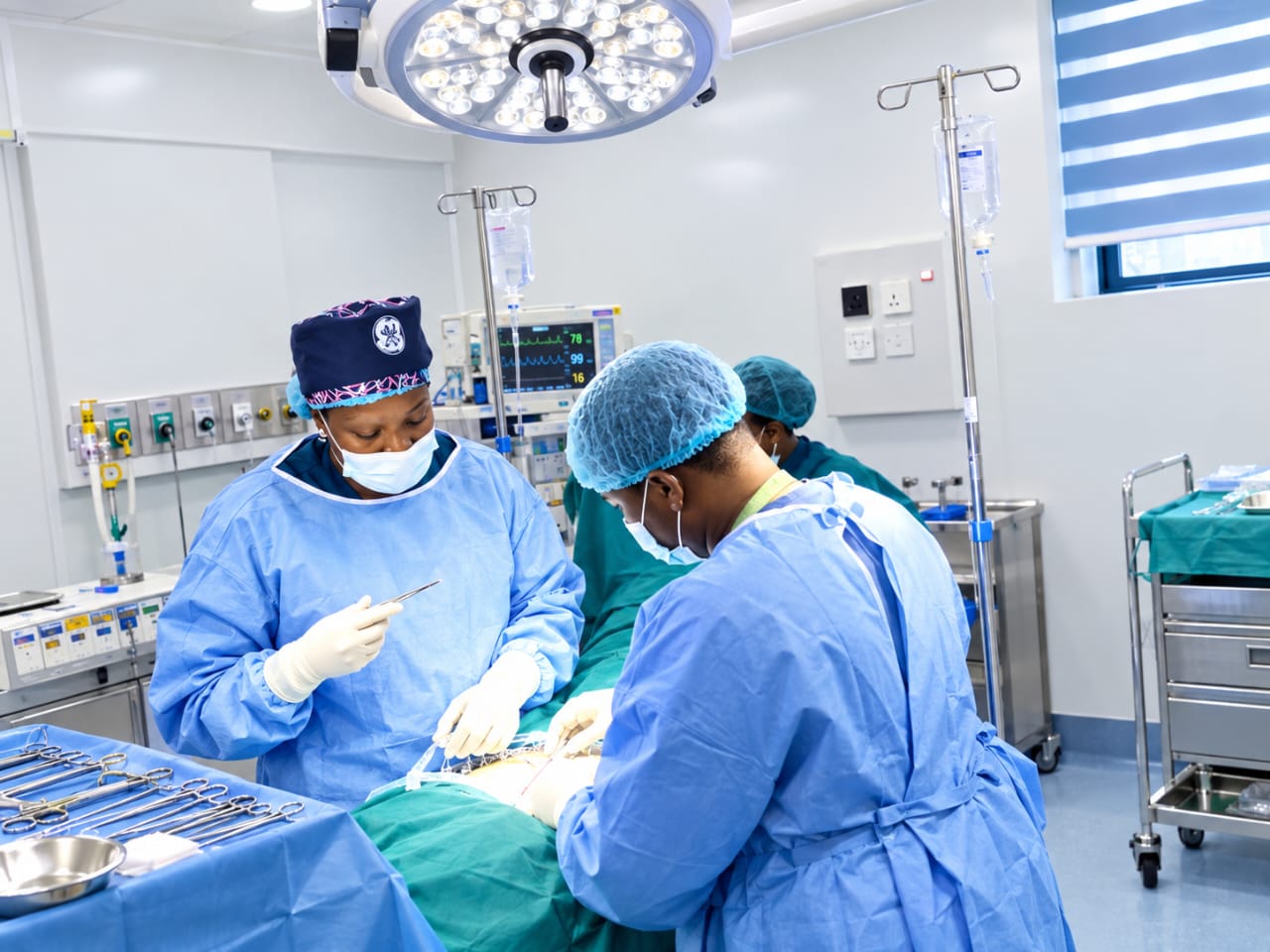
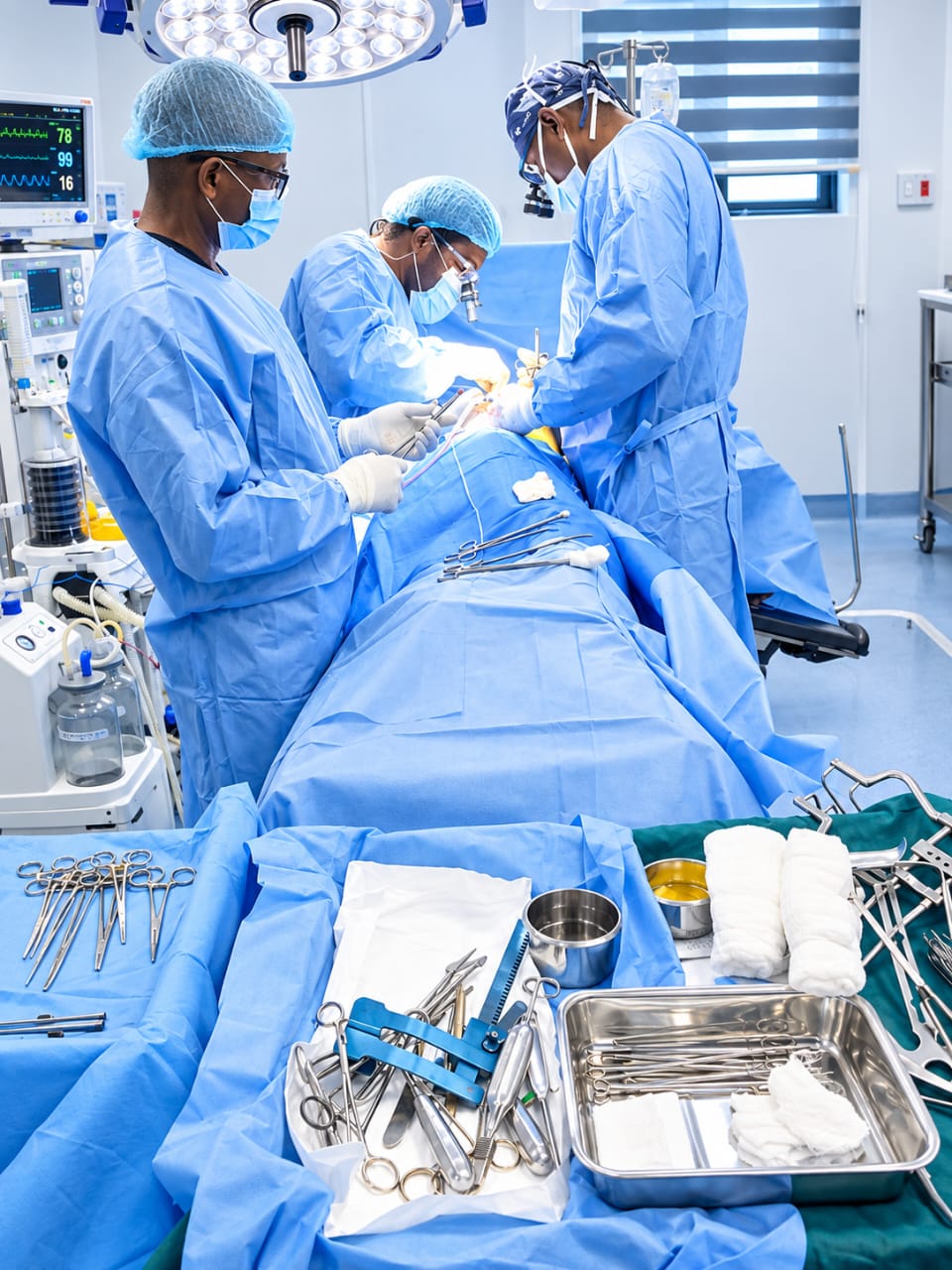
Hospitals require consistent infection prevention procedures because patients may be vulnerable to infections, and healthcare workers regularly encounter potentially infectious materials.
A comprehensive hospital infection prevention programme should include:
Standard precautions: These apply to all patients, regardless of whether an infection is known or suspected. They include hand hygiene, appropriate PPE, safe injection practices, environmental cleaning, and safe handling of contaminated equipment.
Transmission-based precautions: Additional measures may be required when a patient has, or is suspected of having, an infection that spreads through particular routes. These measures may include specific placement arrangements, enhanced PPE, and other controls based on the infection involved.
Staff education and training: Regular training helps healthcare professionals apply infection prevention procedures consistently.
Monitoring and surveillance: Reviewing infection trends and compliance helps facilities identify gaps and improve their practices.
Patient and visitor education: Patients, relatives, and visitors should receive clear instructions on hand hygiene, respiratory etiquette, and any additional precautions required.
These measures form part of established WHO and CDC infection prevention guidance.
Common Types of Healthcare-Associated Infections
Healthcare-associated infections are infections acquired while receiving healthcare that were not present or incubating when care began, subject to the relevant clinical definition.
Examples include:
-
Surgical site infections: Infections affecting an incision or the tissues involved in surgery.
-
Catheter-associated urinary tract infections: Urinary infections associated with urinary catheter use.
-
Hospital-acquired pneumonia: Pneumonia developing in a healthcare setting, including some cases associated with respiratory support.
-
Bloodstream infections: Infections that enter the bloodstream, sometimes associated with intravascular devices.
-
Gastrointestinal infections: Certain infections that spread through contaminated hands, surfaces, food, or other routes.
The risks differ according to the patient’s condition, procedures, devices, and the microorganisms involved. Effective infection prevention practices can help reduce avoidable healthcare-associated infections.
How Can You Prevent Infections at Home?
You do not need specialised medical equipment to practise many everyday infection prevention measures.
Follow these practical steps:
-
Wash your hands regularly and correctly.
-
Keep bathrooms, kitchens, and frequently touched surfaces clean.
-
Use safe drinking water and practise good food hygiene.
-
Avoid sharing personal items such as toothbrushes and razors.
-
Cover coughs and sneezes and dispose of tissues properly.
-
Keep vaccinations up to date according to medical advice.
-
Follow professional guidance when caring for someone with a contagious illness.
-
Seek medical attention when symptoms are severe, persistent, or worsening.
For households with infants, older adults, or people with weakened immune systems, additional precautions may be appropriate depending on the circumstances.
Common Infection Prevention Mistakes to Avoid
Even well-intentioned habits can be ineffective when performed incorrectly.
| Common mistake | Better practice |
|---|---|
| Using gloves instead of washing hands | Perform hand hygiene at the recommended times, including before and after glove use. |
| Cleaning surfaces without following product instructions | Use appropriate products and follow their recommended contact times. |
| Reusing disposable needles or syringes | Use sterile, single-use injection equipment for each injection. |
| Taking antibiotics without professional guidance | Use antibiotics only as prescribed. |
| Assuming a clean-looking surface is sterile | Follow appropriate cleaning, disinfection, or sterilisation procedures. |
| Ignoring symptoms of a possible infection | Seek medical advice when symptoms warrant assessment. |
Consistency is essential. Infection prevention is most effective when the appropriate practices are followed routinely rather than only when an infection is suspected.
Frequently Asked Questions About Infection Prevention
What is the main purpose of infection prevention?
The main purpose is to reduce the risk of infections spreading between people, through contaminated objects, or from the environment. In healthcare, this helps protect patients and staff and supports safe, high-quality care.
What are the five basic principles of infection prevention?
Five key principles are hand hygiene, appropriate PPE, environmental cleaning, safe handling of medical equipment and sharps, and respiratory hygiene. Other measures, including vaccination, surveillance, and responsible antibiotic use, are also important.
Why is hand hygiene important in infection prevention?
Hands can transfer microorganisms between people and surfaces. Cleaning them at the appropriate times reduces this risk and is a fundamental infection prevention measure in healthcare and everyday life.
What is the difference between infection prevention and infection control?
The terms overlap. Infection prevention focuses on measures that reduce the likelihood of infections occurring, while infection control includes practices used to limit transmission and manage infection risks. The combined term infection prevention and control covers both.
Who is responsible for infection prevention in hospitals?
Everyone has a role. Healthcare professionals, cleaning teams, hospital management, patients, and visitors all contribute to a safer environment. Healthcare facilities are responsible for establishing appropriate policies, training, supplies, monitoring, and procedures.
Can all infections be prevented?
No. Not every infection can be prevented, even when recommended precautions are followed. However, consistent, evidence-based infection prevention practices can reduce many avoidable risks.
Conclusion: Make Infection Prevention a Daily Priority
Infection prevention is a shared responsibility that begins with simple habits and extends to comprehensive safety procedures in hospitals and healthcare facilities.
Proper hand hygiene, appropriate protective equipment, environmental cleaning, safe medical practices, vaccination, and responsible antibiotic use all contribute to reducing the spread of infections.
By making infection prevention part of everyday life, individuals and healthcare organisations can help protect patients, healthcare workers, families, and communities.
At Isalu Hospitals, promoting awareness of infection prevention supports the wider goal of safer, more responsible, and patient-centred healthcare.
For health concerns or symptoms of a possible infection, consult a qualified healthcare professional for appropriate assessment and advice.
Leave a reply


Leave a reply