
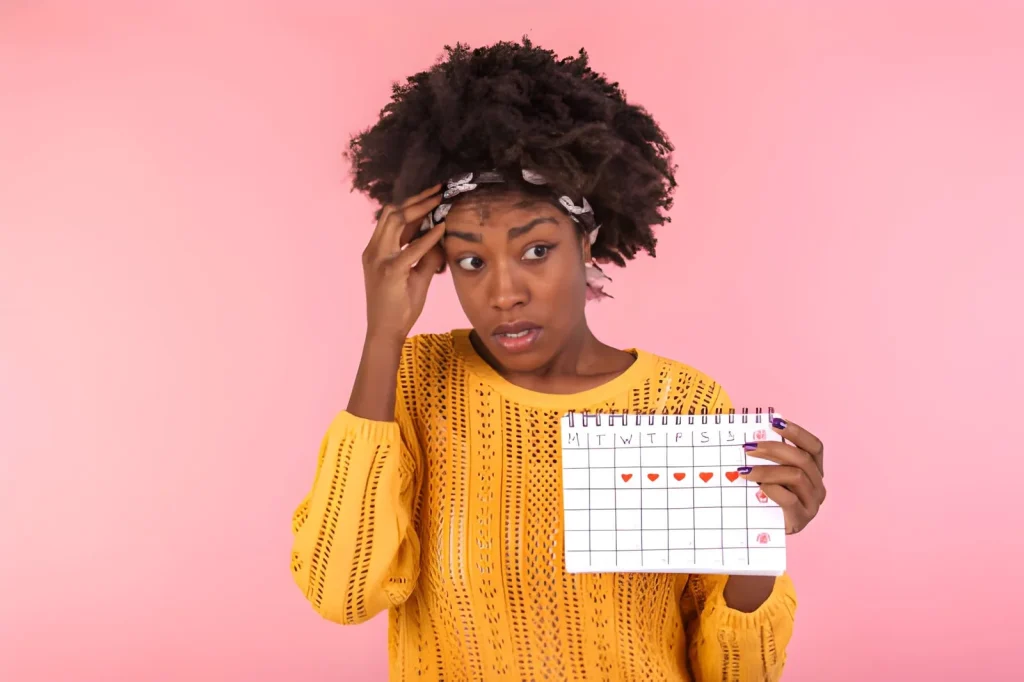
Irregular periods can happen for several reasons, from hormonal changes and stress to underlying medical conditions. While occasional changes in your menstrual cycle may be normal, frequent irregularities could indicate a health concern that needs medical attention.
Understanding the common causes of irregular periods can help you recognise when something is wrong and know when to see a gynaecologist.
In this article, we explore 8 common causes of irregular periods, the symptoms to watch out for, and when to seek professional medical advice.
What Are Irregular Periods?
Irregular periods occur when your menstrual cycle changes significantly in timing, duration, or flow. For most adults, a typical menstrual cycle lasts between 21 and 35 days.
You may have irregular periods if you experience:
-
Periods that come earlier or later than expected.
-
Missed periods without pregnancy.
-
Bleeding that lasts longer than usual.
-
Unusually heavy or very light menstrual flow.
-
Spotting or bleeding between periods.
Occasional changes can happen, but persistent irregularities should not be ignored.
8 Common Causes of Irregular Periods

1. Hormonal Imbalances
Hormones such as oestrogen and progesterone regulate the menstrual cycle. When these hormones become unbalanced, ovulation may become irregular, causing missed, delayed, or unusually heavy periods.
Hormonal changes can occur at different stages of life and may affect the regularity of menstruation.
2. Polycystic Ovary Syndrome (PCOS)
PCOS is a common hormonal condition that can affect how the ovaries function. Women with PCOS may experience irregular periods because they do not ovulate regularly.
Other symptoms may include:
-
Excess facial or body hair.
-
Acne and oily skin.
-
Weight gain or difficulty losing weight.
-
Difficulty getting pregnant.
3. Stress and Anxiety
Physical and emotional stress can affect the hormones responsible for ovulation. Prolonged stress may disrupt your menstrual cycle, causing periods to arrive late, become irregular, or stop temporarily.
Managing stress, getting enough sleep, and maintaining a healthy routine may help support menstrual health.
4. Sudden Weight Gain or Weight Loss
Significant changes in body weight can affect hormone production and ovulation.
Being underweight, losing weight rapidly, or gaining excessive weight may contribute to irregular or missed periods. Maintaining a balanced diet and healthy weight can help support normal hormonal function.
5. Thyroid Problems
The thyroid gland helps regulate several body functions, including metabolism and reproductive hormone activity.
An underactive thyroid (hypothyroidism) or overactive thyroid (hyperthyroidism) can interfere with menstrual regularity.
Other symptoms may include fatigue, unexplained weight changes, changes in body temperature tolerance, and hair thinning.
6. Excessive Exercise
Regular physical activity is beneficial, but excessive exercise combined with inadequate nutrition can disrupt the hormones that control ovulation.
Women who engage in intense training without sufficient recovery or food intake may experience delayed, missed, or absent periods.
7. Hormonal Contraceptives and Medications
Some contraceptive methods, including birth control pills, injections, implants, and hormonal intrauterine devices (IUDs), can change menstrual bleeding patterns.
You may experience lighter periods, spotting, irregular bleeding, or missed periods, particularly when starting or changing contraception.
Speak with your healthcare provider if these changes concern you. Do not stop prescribed medication without medical advice.
8. Uterine Conditions and Reproductive Health Problems
Certain reproductive health conditions can cause abnormal menstrual bleeding.
Examples include:
-
Uterine fibroids: Non-cancerous growths in or around the uterus that may cause heavy or prolonged bleeding.
-
Endometriosis: A condition where tissue similar to the uterine lining grows outside the uterus, often causing painful periods.
-
Pelvic inflammatory disease (PID): An infection of the female reproductive organs that may cause abnormal bleeding and pelvic pain.
These conditions require proper medical assessment to determine the cause and appropriate treatment.
Source: NHS, Cleveland Clinic and the US Office on Women’s Health.

Although occasional menstrual changes may not be serious, persistent irregular periods should be evaluated by a healthcare professional.
Consider booking an appointment with a gynaecologist if you experience:
-
Periods that suddenly become irregular after previously being regular.
-
Missing three consecutive periods without pregnancy.
-
Menstrual bleeding lasting longer than seven days.
-
Very heavy bleeding that requires frequent pad changes.
-
Bleeding or spotting between periods or after sexual intercourse.
-
Severe pelvic pain or unusually painful periods.
-
Difficulty getting pregnant alongside irregular periods.
-
Irregular periods accompanied by unexplained weight changes, excessive facial hair, or persistent tiredness.
If you are bleeding heavily and feel faint, dizzy, short of breath, or have chest pain, seek emergency medical care. If pregnancy is possible and you experience severe abdominal pain, fainting, or unusual bleeding, seek urgent assessment.
How Are Irregular Periods Diagnosed?
A gynaecologist will assess your menstrual history, symptoms, and general health to identify possible causes.
Depending on your symptoms, investigations may include:
-
Pregnancy test: To rule out pregnancy as a cause of a missed period.
-
Blood tests: To check hormone levels, thyroid function, and other possible abnormalities.
-
Pelvic ultrasound: To examine the uterus and ovaries for fibroids, ovarian cysts, or other abnormalities.
-
Physical or pelvic examination: Where appropriate, to assess reproductive health.
-
Additional tests: Such as screening for infections when clinically indicated.
The tests recommended will depend on your age, symptoms, medical history, and examination findings.
Can Irregular Periods Be Treated?
Yes. Treatment depends on the underlying cause.
A gynaecologist may recommend:
-
Hormonal medication to regulate menstrual cycles.
-
Treatment for thyroid disorders.
-
Appropriate management of PCOS.
-
Lifestyle adjustments, including improved nutrition and stress management.
-
Treatment for infections or other reproductive health conditions.
Early assessment can help identify the cause and prevent some underlying conditions from becoming more complicated.
How Can You Support a Healthy Menstrual Cycle?
While not all causes of irregular periods can be prevented, healthy habits may help support reproductive health.
Consider these practices:
-
Eat a balanced diet rich in essential nutrients.
-
Maintain a healthy body weight.
-
Exercise regularly without overtraining.
-
Get adequate sleep.
-
Find healthy ways to manage stress.
-
Track your menstrual cycle and note unusual changes.
-
Attend regular women’s health check-ups.
Remember, lifestyle changes cannot replace medical treatment when an underlying condition is present.
Frequently Asked Questions About Irregular Periods
1. Is it normal to have irregular periods occasionally?
Yes. Occasional changes can happen due to stress, illness, weight changes, or hormonal fluctuations. However, repeated irregularities should be discussed with a healthcare professional.
2. Can irregular periods affect fertility?
Yes. Some conditions that cause irregular periods, such as PCOS, can affect ovulation and make conception more difficult. However, having irregular periods does not automatically mean you cannot get pregnant.
3. Can stress cause missed periods?
Yes. Prolonged stress can interfere with the hormones responsible for ovulation, potentially causing delayed or missed periods.
4. When should I worry about a missed period?
If you are sexually active, consider taking a pregnancy test. If you miss three consecutive periods without being pregnant, consult a healthcare professional.
5. Can irregular periods be a sign of PCOS?
Yes. Irregular periods are one of the common symptoms of PCOS, particularly when accompanied by acne, excessive facial hair, or unexplained weight changes. However, a medical assessment is needed to confirm the diagnosis.
Conclusion: Don’t Ignore Persistent Irregular Periods
Irregular periods can result from several factors, including hormonal imbalances, PCOS, stress, thyroid problems, and reproductive health conditions.
Although occasional changes may be harmless, persistent irregular periods deserve medical attention. Understanding the causes and recognising warning signs can help you take better care of your reproductive health.
At Isalu Hospitals, your women’s health matters. If you are experiencing irregular periods or other menstrual concerns, consult a qualified gynaecologist for proper assessment, diagnosis, and treatment.
-







Leave a reply