

Medical laboratory tests play an essential role in identifying illnesses, monitoring health conditions, and helping doctors make informed treatment decisions. From routine blood tests to specialized urine, stool, and microbiology tests, laboratory investigations can reveal important information about what is happening inside your body.
At Isalu Hospitals, our laboratory services support the diagnosis and management of various health conditions, helping patients and healthcare professionals make better-informed decisions about their health.
In this guide, we explain what a medical laboratory can help diagnose, the common tests available, and when you may need laboratory investigations.
What Can a Medical Laboratory Help Diagnose?
A medical laboratory can help diagnose a wide range of health conditions by examining blood, urine, stool, swabs, and other body samples. The specific tests required depend on your symptoms, medical history, and your doctor’s assessment.
Here are some of the common conditions laboratory investigations can help identify.
1. Malaria and Other Infections

Laboratory testing helps identify infections caused by parasites, bacteria, and viruses. In Nigeria, malaria testing is particularly important when a patient presents with fever, chills, headache, or body weakness.
Common tests include:
-
Malaria parasite test: Helps detect malaria parasites in the blood.
-
Blood culture: Helps identify bacteria or fungi in the bloodstream.
-
Urine culture: Helps identify microorganisms responsible for urinary tract infections.
-
Sputum tests: May help investigate tuberculosis and other respiratory infections.
-
Viral screening tests: May help detect infections such as hepatitis B, hepatitis C, and HIV.
Accurate testing helps healthcare professionals select appropriate treatment and avoid unnecessary medication.
2. Diabetes and Blood Sugar Problems
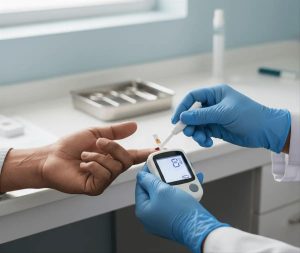
Laboratory tests can help detect diabetes, identify people at increased risk, and monitor blood sugar control.
Common investigations include:
-
Fasting blood glucose: Measures blood sugar after a specified fasting period.
-
Random blood glucose: Measures blood sugar at the time of testing, regardless of when you last ate.
-
HbA1c test: Estimates average blood sugar levels over approximately two to three months.
These tests help doctors assess whether a person may have diabetes or prediabetes and determine whether further evaluation is necessary.
3. Anaemia and Other Blood Disorders
A laboratory can investigate conditions affecting red blood cells, white blood cells, platelets, and haemoglobin.
A Full Blood Count (FBC), also called a Complete Blood Count (CBC), is commonly used to assess blood cell levels.
It can help doctors investigate:
-
Anaemia and possible iron deficiency.
-
Some infections and inflammatory conditions.
-
Abnormal white blood cell counts.
-
Low platelet counts and possible bleeding-related problems.
Additional tests, such as iron studies, blood film examination, and haemoglobin electrophoresis, may be recommended to investigate specific conditions, including sickle cell disorders.
4. Kidney Diseases and Urinary Tract Problems
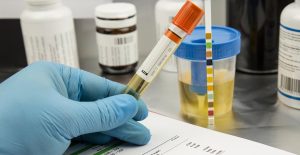
The kidneys filter waste from the blood and help maintain the body’s fluid and electrolyte balance. Laboratory investigations can reveal signs of impaired kidney function.
Common tests include:
-
Serum creatinine and estimated glomerular filtration rate (eGFR): Help assess kidney function.
-
Urea and electrolyte tests: Help evaluate waste products and the body’s chemical balance.
-
Urinalysis: Checks urine for substances such as blood, protein, glucose, and signs of infection.
-
Urine albumin testing: Can help detect early signs of kidney damage.
These investigations are particularly useful for people with diabetes, high blood pressure, urinary symptoms, or other risk factors for kidney disease.
5. Liver Diseases and Hepatitis
Laboratory tests can help identify liver injury, assess liver function, and investigate viral hepatitis.
Common investigations include:
-
Liver function tests: Measure substances such as ALT, AST, bilirubin, and albumin.
-
Hepatitis screening: Helps detect hepatitis B or C infection.
-
Clotting tests: May provide information about the liver’s production of certain blood-clotting proteins.
Abnormal results do not always mean a person has liver disease. Doctors interpret them alongside symptoms, medical history, and other investigations.
6. High Cholesterol and Cardiovascular Risk
A lipid profile measures fats in the blood to help assess cardiovascular risk.
It commonly includes:
-
Total cholesterol.
-
Low-density lipoprotein (LDL) cholesterol.
-
High-density lipoprotein (HDL) cholesterol.
-
Triglycerides.
These results can help doctors evaluate the risk of heart disease and stroke and determine whether lifestyle changes, medication, or further assessment may be appropriate.
Laboratory tests can also help investigate other cardiovascular concerns when combined with clinical assessment and relevant tests.
7. Hormonal Imbalances and Thyroid Disorders
Hormones regulate many body functions, including metabolism, growth, reproduction, and energy levels. Laboratory testing can help investigate symptoms associated with hormonal changes.
Depending on the symptoms, a doctor may request:
-
Thyroid function tests: Such as thyroid-stimulating hormone (TSH) and free T4.
-
Reproductive hormone tests: Such as testosterone, oestrogen, prolactin, or progesterone.
-
Other endocrine tests: To investigate specific hormonal disorders.
These tests may be recommended for symptoms such as unexplained weight changes, menstrual irregularities, fertility concerns, or persistent fatigue.
8. Sexually Transmitted Infections (STIs)
Laboratory testing can help detect sexually transmitted infections, including those that may cause few or no noticeable symptoms.
Depending on the suspected infection, testing may involve blood samples, urine, or swabs.
Examples include:
-
HIV screening.
-
Syphilis testing.
-
Hepatitis B testing.
-
Gonorrhoea and chlamydia testing.
-
Other infection-specific investigations.
Early diagnosis allows patients to receive appropriate treatment and take steps to protect their health and reduce transmission.
9. Digestive System Problems
Stool tests and other laboratory investigations can help doctors investigate digestive symptoms such as persistent diarrhoea, abdominal discomfort, or blood in the stool.
Depending on the symptoms, tests may help identify:
-
Intestinal parasites.
-
Certain bacterial infections.
-
Hidden blood in stool.
-
Signs of intestinal inflammation.
-
Other abnormalities requiring further investigation.
Not every digestive condition can be diagnosed through stool testing alone. Additional investigations may be necessary depending on the findings.
10. Pregnancy and Reproductive Health
Laboratory tests are important in pregnancy care and the assessment of reproductive health.
Common investigations include:
-
Pregnancy tests: Detect the hormone human chorionic gonadotropin (hCG).
-
Antenatal screening tests: Help assess selected infections, blood group, haemoglobin levels, and other pregnancy-related health concerns.
-
Hormone tests: May help investigate selected fertility or menstrual concerns.
-
Semen analysis: Evaluates sperm-related parameters when investigating male fertility.
Your healthcare provider will recommend tests according to your symptoms, stage of pregnancy, and individual health needs.
11. Vitamin and Nutritional Deficiencies
Some laboratory tests help identify nutritional deficiencies that may contribute to tiredness, weakness, nerve symptoms, or other health concerns.
Examples include:
-
Iron and ferritin tests.
-
Vitamin B12 tests.
-
Folate tests.
-
Vitamin D tests.
These investigations are particularly helpful when a healthcare professional suspects a deficiency based on your symptoms, diet, medical history, or examination.
12. Inflammation and Autoimmune Conditions
Inflammation can occur for many reasons, including infections, injuries, and immune system disorders.
Laboratory tests that may help investigate inflammation or autoimmune conditions include:
-
C-reactive protein (CRP): Measures a substance associated with inflammation.
-
Erythrocyte sedimentation rate (ESR): Provides another indicator of inflammation.
-
Rheumatoid factor and selected autoantibody tests: May help investigate particular autoimmune diseases.
These tests generally cannot confirm a specific condition on their own. A doctor may combine the results with symptoms, physical examination, imaging, and other investigations.
How Do You Know Which Laboratory Test You Need?
The right laboratory test depends on your symptoms and health history. Rather than requesting every available test, consult a qualified healthcare professional who can recommend appropriate investigations.
For example:
| Symptom or concern | Tests a doctor may consider |
|---|---|
| Fever and chills | Malaria testing and other infection investigations |
| Excessive thirst and frequent urination | Blood glucose or HbA1c |
| Persistent fatigue or weakness | Full blood count, iron studies, or other targeted tests |
| Painful or frequent urination | Urinalysis and possibly urine culture |
| Unexplained weight changes | Thyroid tests and other investigations as indicated |
| High blood pressure | Kidney function tests and electrolyte assessment |
These are examples, not a substitute for medical assessment. The most appropriate test will depend on your individual circumstances.
How Should You Prepare for a Laboratory Test?
Proper preparation helps reduce avoidable errors and supports reliable results.
Before your appointment:
-
Ask whether fasting is required. Not every blood test requires fasting.
-
Follow sample collection instructions. Some tests require a specific type of sample or collection method.
-
Tell your healthcare provider about your medicines and supplements. Do not stop prescribed medication unless instructed.
-
Provide accurate information. Mention relevant symptoms and any preparation instructions you may have missed.
-
Ask when your results will be available. Some tests are completed quickly, while cultures and specialised investigations may take longer.
Laboratory preparation varies by test, so always follow the instructions given by your healthcare professional.
Why Are Regular Laboratory Tests Important?
Regular health checks can help identify certain health problems before symptoms become obvious. They can also help monitor existing conditions and determine whether treatment is working.
However, not everyone needs the same tests at the same intervals. Your age, medical history, family history, risk factors, and healthcare provider’s recommendations should guide your screening schedule.
Remember that a normal laboratory result does not rule out every possible illness, just as an abnormal result does not automatically confirm a diagnosis. Results must be interpreted in the context of your overall health.
Visit Isalu Hospitals for Laboratory Investigations
Understanding your health begins with getting the right information. Medical laboratory investigations help doctors identify potential health problems, guide treatment decisions, and monitor your progress.
At Isalu Hospitals, we encourage patients to seek professional medical advice when they experience persistent symptoms or need routine health assessments. Our healthcare team can help determine which investigations may be appropriate for your needs.
Do not ignore persistent symptoms or rely on laboratory results alone to self-diagnose. Speak with a healthcare professional to understand your results and discuss the next steps.
Book an appointment through the Isalu Hospitals appointment portal to begin your healthcare journey.
Leave a reply









Leave a reply