
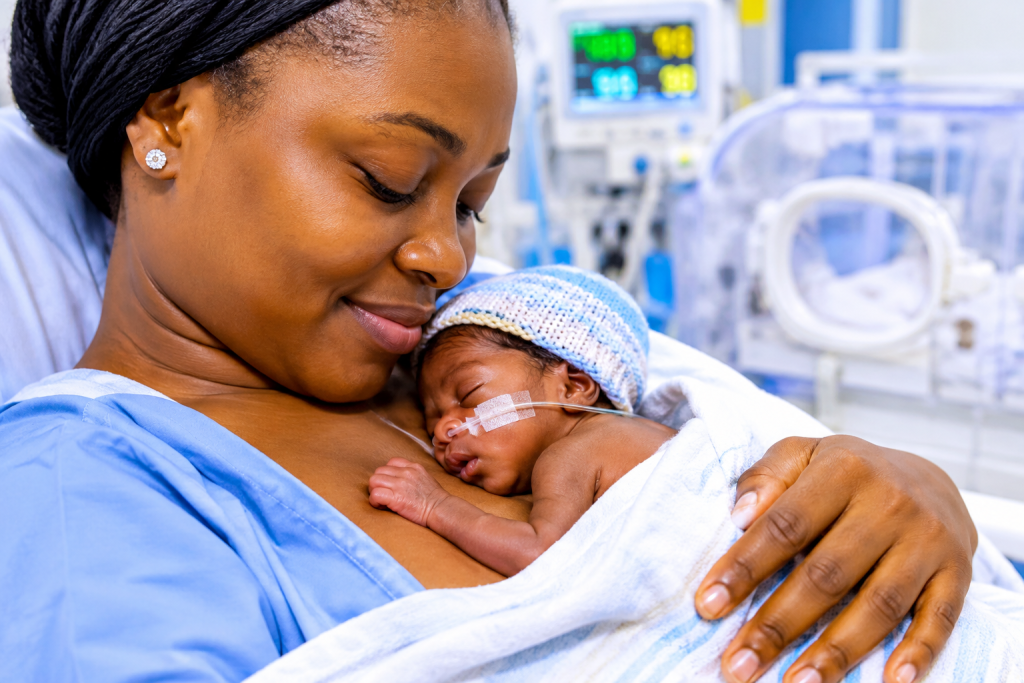
Every baby deserves a healthy start in life. However, some babies arrive earlier than expected, requiring extra medical attention, specialised care and support to survive and thrive. These babies are known as premature or preterm babies.
World Prematurity Day raises awareness about premature births, the challenges faced by babies born too soon and the importance of quality newborn healthcare. It also recognises the strength of parents, caregivers and healthcare professionals who support these tiny fighters.
According to the World Health Organization (WHO), approximately 15 million babies are born prematurely worldwide every year, representing about 1 in 10 births.
World Health Organization+1
What Is World Prematurity Day?
World Prematurity Day is a global awareness day dedicated to raising awareness about premature births and improving the health and survival of babies born too soon.
Traditionally observed on November 17, the day will officially move to November 15 from 2026, following its inclusion in the World Health Organization’s official calendar.
The campaign encourages governments, hospitals, healthcare professionals and families to work together to improve newborn care and support parents of premature babies.
World Health Organization+1
The 2026 theme is:
“Small babies, big potential. Invest in follow-up care to protect their future!”
This year’s message highlights the importance of continuous medical attention, monitoring and developmental support, even after premature babies leave the hospital.
What Is a Premature Baby?
A premature baby, also called a preterm baby, is a baby born before completing 37 weeks of pregnancy.
Premature babies may have underdeveloped organs and body systems because they have had less time to grow inside the womb.
Premature births are generally classified into three categories:
-
Extremely preterm: Babies born before 28 weeks.
-
Very preterm: Babies born between 28 and less than 32 weeks.
-
Moderate to late preterm: Babies born between 32 and less than 37 weeks.
The earlier a baby is born, the greater the likelihood of health complications and the need for specialised medical care.
Common Health Challenges Faced by Premature Babies
Premature babies may experience several health challenges depending on how early they are born.
Some common complications include:
1. Breathing difficulties: Underdeveloped lungs can make breathing difficult, and some babies require oxygen or respiratory support.
2. Low birth weight: Premature babies often weigh less than full-term babies and may need additional nutritional support.
3. Difficulty feeding: Some babies have difficulty sucking, swallowing or coordinating feeding and breathing.
4. Increased risk of infections: Their immune systems may not be fully developed, making them more vulnerable to infections.
5. Temperature regulation problems: Premature babies may struggle to maintain normal body temperature.
6. Developmental challenges: Some premature babies may experience delays in movement, learning, vision or hearing, making regular developmental assessments important.
How Can Parents Care for a Premature Baby?
Caring for a premature baby requires patience, attention and guidance from qualified healthcare professionals.
Here are important ways parents can support their baby’s health:
-
Practise Kangaroo Mother Care: Skin-to-skin contact helps regulate the baby’s temperature, supports bonding and improves health outcomes.
-
Prioritise breastfeeding: Breast milk provides essential nutrients and protective antibodies that support a baby’s growth and immunity.
-
Attend regular medical check-ups: Follow-up appointments help healthcare professionals monitor growth, feeding and development.
-
Maintain proper hygiene: Wash hands before handling the baby and follow recommended infection-prevention measures.
-
Follow vaccination schedules: Ensure your baby receives recommended immunisations according to medical advice.
-
Monitor developmental progress: Attend recommended hearing, vision, growth and developmental assessments.
Always follow your paediatrician’s instructions, particularly regarding feeding, medication and home care.
World Health Organization+2
Why Follow-Up Care Is Important for Premature Babies
Leaving the neonatal intensive care unit (NICU) is an important milestone, but it does not mean medical care is over.
Premature babies need continued monitoring to identify possible health or developmental challenges early.
Regular follow-up care helps with:
-
Monitoring weight gain and physical growth.
-
Assessing brain development and milestones.
-
Identifying hearing and vision problems.
-
Monitoring feeding and nutritional needs.
-
Detecting infections and other health complications.
-
Providing parents with professional guidance and emotional support.
Early identification of developmental concerns allows healthcare professionals to recommend appropriate interventions when needed.
How Can Premature Birth Be Prevented?
Not all premature births can be prevented, but proper maternal healthcare can help reduce certain risks.
Expectant mothers are encouraged to:
-
Attend regular antenatal appointments.
-
Manage existing health conditions such as hypertension and diabetes.
-
Maintain a healthy, balanced diet.
-
Avoid smoking, alcohol and harmful substances.
-
Seek medical attention for unusual symptoms during pregnancy.
-
Follow their healthcare provider’s recommendations.
Early and consistent antenatal care helps healthcare professionals identify potential pregnancy complications and provide timely treatment.
When Should Parents Seek Medical Attention?
Premature babies require special attention, and parents should know the warning signs that need urgent medical assessment.
Seek immediate medical attention if your baby experiences:
-
Difficulty breathing or pauses in breathing.
-
Fever or unusually low body temperature.
-
Poor feeding or refusal to feed.
-
Unusual sleepiness or difficulty waking.
-
Seizures or unusual movements.
-
Blue or pale skin colour.
-
Significantly fewer wet nappies than usual.
Do not wait for symptoms to worsen before seeking medical help.
Supporting Every Baby Born Too Soon
World Prematurity Day reminds us that every premature baby deserves an opportunity to survive, grow and reach their full potential.
Behind every premature baby is a family that needs encouragement, professional guidance and access to quality healthcare.
At Isalu Hospitals, we recognise the importance of maternal and newborn healthcare. Through proper antenatal care, specialised newborn support and regular paediatric follow-up, we can help give babies a healthier start in life.
This World Prematurity Day, let us celebrate the strength of premature babies, support their families and promote better healthcare for every newborn.
Small babies. Big potential. Every baby deserves a healthy future.
Leave a reply




Leave a reply