
Have you ever experienced persistent stomach pain, frequent heartburn, difficulty swallowing or unexplained vomiting? These symptoms may sometimes indicate an underlying digestive problem that requires further medical investigation.
One of the procedures doctors use to investigate such conditions is endoscopy. It allows a healthcare professional to examine the inside of certain organs using a thin, flexible tube equipped with a camera and light. This helps doctors identify abnormalities, collect tissue samples and, in some cases, treat certain medical conditions.
But why do you need endoscopy, and when should you consider having one?
An endoscopy may be recommended when symptoms persist, when other tests cannot provide enough information or when a doctor needs to investigate a suspected condition affecting the digestive system.
In this article, we explain the major reasons for endoscopy, its benefits, the conditions it can help detect and what you should expect before, during and after the procedure.
What Is an Endoscopy?
An endoscopy is a medical procedure that allows doctors to examine the inside of the body using a special instrument called an endoscope.
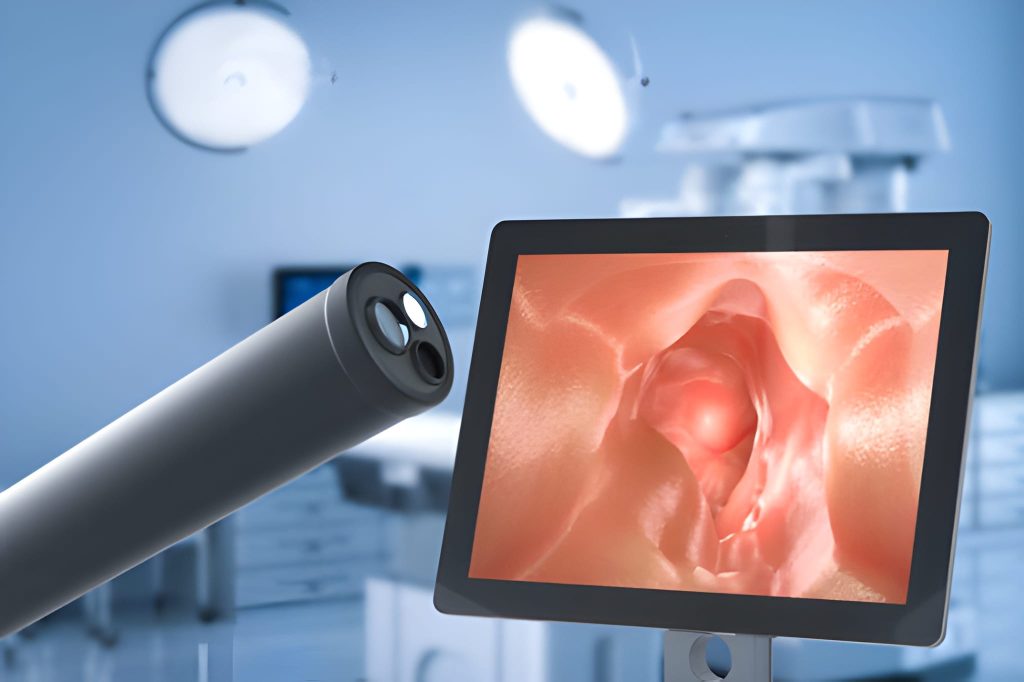
An endoscope is a thin, flexible tube with a small camera and light attached to its end. It is carefully inserted through a natural opening, such as the mouth or anus, depending on the area being examined.
The camera transmits images to a monitor, allowing the doctor to inspect internal organs and identify possible abnormalities.
An endoscopy can be used for different purposes, including:
-
Investigating unexplained symptoms.
-
Detecting inflammation, ulcers and abnormal growths.
-
Taking tissue samples for laboratory examination (biopsy).
-
Identifying possible signs of cancer.
-
Treating certain conditions, such as internal bleeding or narrowed passages.
There are different types of endoscopy, depending on the organ or part of the body being examined.
Why Do You Need Endoscopy? 7 Important Reasons
Your doctor may recommend an endoscopy for several medical reasons. Below are seven common reasons why this procedure may be necessary.
1. To Investigate Persistent Stomach Pain
Recurring or persistent stomach pain should not always be ignored, especially when it does not improve with routine treatment.
Endoscopy allows doctors to examine the lining of the oesophagus, stomach and upper small intestine to identify possible causes of discomfort.
It may help detect conditions such as:
-
Gastritis (inflammation of the stomach lining).
-
Peptic ulcers.
-
Stomach infections.
-
Gastroesophageal reflux disease (GERD).
-
Other abnormalities affecting the upper digestive tract.
If you experience frequent or unexplained abdominal pain, your doctor may recommend an endoscopy to establish the underlying cause.
2. To Identify the Cause of Persistent Heartburn and Acid Reflux
Occasional heartburn can happen to anyone. However, frequent heartburn, acid reflux or a burning sensation in the chest may require further investigation.
An upper gastrointestinal endoscopy allows doctors to examine the oesophagus and determine whether stomach acid has caused irritation or damage.
The procedure can help identify:
-
Inflammation of the oesophagus (oesophagitis).
-
Gastroesophageal reflux disease (GERD).
-
Barrett’s oesophagus.
-
Narrowing of the oesophagus.
-
Other abnormalities affecting the upper digestive tract.
Early medical assessment can help prevent complications associated with untreated digestive conditions.
3. To Investigate Difficulty in Swallowing
Difficulty swallowing, medically known as dysphagia, is another reason a doctor may recommend endoscopy.
You may experience a sensation that food is getting stuck in your throat or chest, or you may find it increasingly difficult to swallow solid foods or liquids.
An endoscopy helps doctors examine the oesophagus and identify possible causes, including:
-
Narrowing of the oesophagus.
-
Inflammation or irritation.
-
Food blockage.
-
Abnormal growths.
-
Tumours affecting the swallowing passage.
In some cases, doctors can also use special instruments during the procedure to widen a narrowed section of the oesophagus.
4. To Detect Stomach Ulcers and Inflammation
Stomach ulcers are open sores that develop in the lining of the stomach. They can cause abdominal pain, nausea, bloating and other digestive symptoms.
An endoscopy allows doctors to directly examine the stomach lining and identify ulcers, inflammation or other abnormalities.
It may also help identify signs of bleeding and allow the doctor to collect tissue samples when necessary.
Detecting these conditions early helps healthcare professionals recommend appropriate treatment and reduce the risk of complications.
5. To Investigate Unexplained Vomiting and Gastrointestinal Bleeding
Persistent vomiting, vomiting blood or passing black, tar-like stools may indicate bleeding or another serious problem within the digestive tract.
An endoscopy can help doctors locate the source of bleeding and investigate possible causes.
These may include:
-
Bleeding stomach ulcers.
-
Inflammation of the digestive tract.
-
Abnormal blood vessels.
-
Tears in the oesophagus.
-
Other gastrointestinal abnormalities.
Importantly, an endoscopy is not only used to identify bleeding. Special instruments can also be passed through the endoscope to help control certain types of internal bleeding.
Medical attention: Vomiting blood or passing black, tarry stools requires urgent medical assessment. Do not delay seeking emergency care while waiting for a routine appointment.
6. To Take Tissue Samples for Further Examination (Biopsy)
Sometimes, doctors may identify an unusual area during an endoscopy that requires further investigation.
In such situations, a small tissue sample, known as a biopsy, can be collected using special instruments passed through the endoscope.
The sample is then sent to a laboratory for examination under a microscope.
A biopsy can help doctors investigate:
-
Persistent inflammation.
-
Certain infections.
-
Abnormal tissue changes.
-
Precancerous conditions.
-
Suspected cancers.
Taking a biopsy does not automatically mean that a patient has cancer. It is simply a diagnostic method used to obtain more information about an abnormal area.
7. To Detect Digestive Tract Abnormalities and Possible Cancer Early
One of the important reasons doctors recommend endoscopy is to investigate suspicious changes in the digestive tract.
Depending on the type of endoscopy, doctors can examine areas such as the oesophagus, stomach and large intestine for abnormal growths, polyps, ulcers and suspicious tissue changes.
Some polyps can be removed during a colonoscopy before they develop into cancer.
Endoscopy can also help doctors collect tissue samples when cancer is suspected.
However, not every cancer can be detected through endoscopy, and the appropriate screening or diagnostic test depends on the patient’s symptoms, age and medical history.
What Are the Different Types of Endoscopy?
There are different types of endoscopy, and the procedure recommended depends on the part of the body that needs examination.
Common types of endoscopy include:
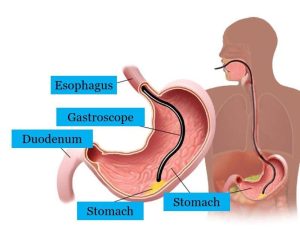
1. Gastroscopy (Upper GI Endoscopy)
Examines the oesophagus, stomach and the first part of the small intestine. It is commonly used to investigate stomach pain, ulcers, acid reflux and swallowing difficulties.
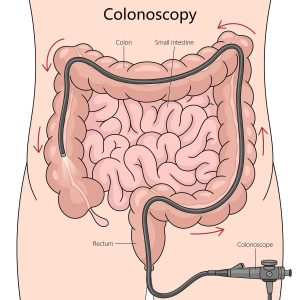
2. Colonoscopy
Examines the large intestine (colon) to identify polyps, inflammation, bleeding and other abnormalities.
3. Bronchoscopy
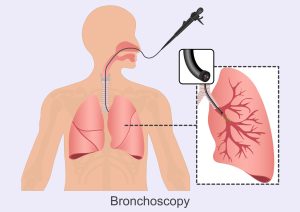
Allows doctors to examine the airways and lungs using a specialised camera-equipped instrument.
4. Cystoscopy
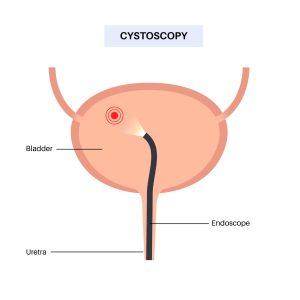
Examines the inside of the bladder and urethra to investigate urinary problems, blood in urine and other abnormalities.
5. Hysteroscopy
Allows doctors to examine the inside of the uterus to investigate abnormal uterine bleeding and other reproductive health concerns.
What Happens During an Endoscopy Procedure?
Understanding what happens during an endoscopy can help reduce anxiety and prepare you for the procedure.
Although the exact process depends on the type of endoscopy, the general steps include:
Before the procedure
-
Your doctor will explain why the procedure is necessary.
-
You may be asked about your medical history, allergies and medications.
-
You may need to avoid eating or drinking for several hours.
-
Specific preparation instructions will be provided depending on the procedure.
During the procedure
-
You may receive a sedative to help you relax or an appropriate anaesthetic.
-
The doctor carefully inserts the endoscope through the required opening.
-
Images from the camera are displayed on a monitor.
-
The doctor examines the area for abnormalities.
-
If necessary, tissue samples may be collected or certain problems treated.
After the procedure
-
You will be monitored while recovering.
-
You may experience temporary bloating, a mild sore throat or discomfort, depending on the procedure.
-
Your doctor will explain the initial findings and provide recovery instructions.
-
If a biopsy was taken, the laboratory results may take several days or longer.
Many endoscopic procedures are completed without an overnight hospital stay, although this depends on the type of procedure and your condition.
What Are the Benefits of Endoscopy?
Endoscopy offers several advantages in diagnosing and managing medical conditions.
Some important benefits include:
-
Accurate visual examination: Allows doctors to directly inspect internal organs and identify abnormalities.
-
Early detection: Helps investigate suspicious changes and certain conditions before complications develop.
-
Biopsy collection: Enables doctors to collect tissue samples for laboratory testing.
-
Treatment during examination: Certain problems, such as bleeding and polyps, can be treated during the procedure.
-
Less invasive approach: Many endoscopic procedures do not require traditional open surgery.
-
Better treatment planning: Findings help doctors determine the most appropriate treatment for individual patients.
Are There Any Risks or Side Effects of Endoscopy?
Endoscopy is generally considered safe when performed by trained healthcare professionals. However, like other medical procedures, it carries some risks.
Possible side effects and complications include:
-
Temporary bloating or abdominal discomfort.
-
Sore throat after upper gastrointestinal endoscopy.
-
Bleeding, particularly when a biopsy or treatment is performed.
-
Infection.
-
Reactions to sedative medication.
-
Rarely, perforation (a tear or hole in the digestive tract).
Your doctor will explain the possible risks based on the type of endoscopy you need and your medical history.
After the procedure, seek urgent medical attention if you experience severe or worsening abdominal or chest pain, difficulty breathing, fever, vomiting blood or significant bleeding.
When Should You See a Doctor for Endoscopy?
You should consult a healthcare professional if you experience persistent or unexplained symptoms affecting your digestive system.
These may include:
-
Frequent or persistent stomach pain.
-
Difficulty swallowing food or liquids.
-
Recurrent heartburn or acid reflux.
-
Persistent nausea and vomiting.
-
Unexplained weight loss.
-
Blood in vomit or stool.
-
Black, tar-like stools.
-
Persistent changes in bowel habits.
-
Unexplained iron-deficiency anaemia.
Not everyone with these symptoms will require an endoscopy. Your doctor will assess your condition and determine whether the procedure or another investigation is appropriate.
Important: Vomiting blood, significant gastrointestinal bleeding, severe abdominal pain or difficulty breathing requires urgent medical attention.
Frequently Asked Questions About Endoscopy
1. Is an endoscopy painful?
Endoscopy is generally not painful, although some patients may experience temporary discomfort. Depending on the procedure, you may receive sedation or local anaesthesia to make you more comfortable.
2. How long does an endoscopy take?
The duration depends on the type of endoscopy being performed. Some procedures take approximately 10–15 minutes, while others may take longer, particularly when additional investigations or treatments are required.
3. Can endoscopy detect stomach cancer?
Yes. An upper gastrointestinal endoscopy can help identify suspicious abnormalities in the oesophagus, stomach and upper small intestine. A biopsy may be taken to determine whether cancerous cells are present.
4. Do I need to fast before an endoscopy?
For many upper gastrointestinal endoscopies, patients are required to avoid eating and drinking for several hours before the procedure. However, preparation instructions vary, so follow your doctor’s specific guidance.
5. How long does it take to recover from an endoscopy?
Many patients recover within a few hours, although temporary discomfort may persist. If sedation is used, you may need someone to take you home and should avoid driving for 24 hours, or as directed by your healthcare team.
6. Is endoscopy safe?
Endoscopy is generally safe when performed by qualified healthcare professionals. Serious complications are uncommon, but potential risks include bleeding, infection, reactions to sedation and perforation.
Conclusion: Why Do You Need Endoscopy?
Understanding why you need endoscopy is an important step towards taking control of your digestive health. Whether you are experiencing persistent stomach pain, frequent heartburn, difficulty swallowing or unexplained gastrointestinal bleeding, an endoscopy can help doctors investigate the underlying cause.
Beyond diagnosis, the procedure can also help collect tissue samples, identify suspicious abnormalities and treat certain conditions without the need for traditional surgery.
However, not every digestive symptom requires an endoscopy. A proper medical assessment is necessary to determine whether the procedure is appropriate for you.
Do not ignore persistent digestive symptoms. Speak with a qualified healthcare professional and seek timely medical attention when necessary. Early investigation can make a significant difference in identifying health problems and receiving appropriate treatment.
Endoscopy Services at Isalu Hospitals
At Isalu Hospitals, we are committed to providing quality healthcare through professional medical assessment, appropriate diagnostic investigations and patient-centred care.
If you are experiencing persistent digestive problems or have been advised to undergo an endoscopy, consult our medical team for further evaluation and guidance.
Your health deserves attention. Do not wait until symptoms become severe before seeking medical advice.
Book an appointment with Isalu Hospitals today.
Website: www.isaluhospitals.com
Leave a reply






Leave a reply